
Boilers for Nurseries & Greenhouses: Stable, Efficient Heat for Year-Round Plant Growth
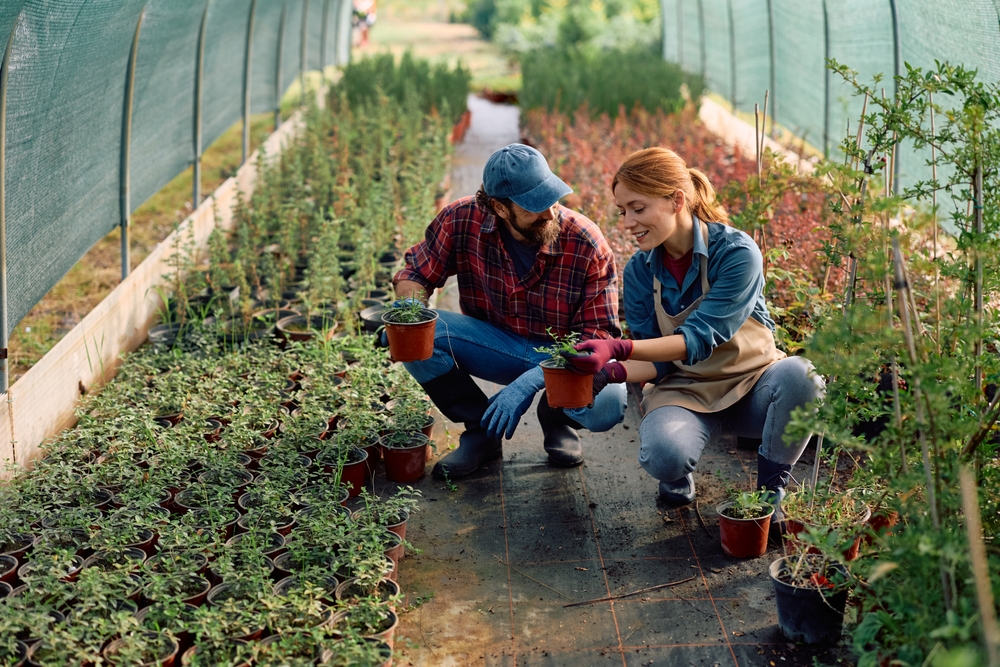
Why Greenhouses and Nurseries Depend on Reliable Heating Systems
In the agricultural business of nurseries and greenhouses, the single most critical environmental factor is temperature. Your entire crop—from delicate seedlings to mature ornamentals—is a high-value asset that is completely dependent on a controlled environment. A sudden frost, a prolonged cold snap, or inconsistent heat can stunt growth, encourage disease, or wipe out an entire season’s revenue overnight.
This is why your heating system is not just a utility; it is your primary risk management tool. Greenhouse and nursery boilers must deliver steady, even heat, run with maximum fuel efficiency during long and demanding cold seasons, and respond quickly to the daily environmental swings between sunny afternoons and frigid nights. For a commercial grower, a boiler isn’t just about providing warmth; it’s about providing the stability and reliability that underpins plant health and profitability.
Heating Requirements for Greenhouses and Nursery Operations
Heating a greenhouse is a unique challenge. Unlike a standard building, it is a structure designed to let in light, which also means it loses heat rapidly. The heating system must be robust enough to overcome this constant thermal loss while maintaining precise environmental conditions.
Maintaining stable temperatures to protect sensitive crops
Plants thrive on consistency. Most crops have a narrow optimal temperature range. If the temperature dips below this range, growth slows or stops. If it drops further, frost damage occurs. If it gets too hot, plants can experience stress, bolting, or desiccation. A reliable boiler system provides the stable thermal output needed to hold the greenhouse temperature within a tight band, protecting the crop from stress and maximizing its growth potential.
Managing large day/night swings in heat demand
A greenhouse environment is incredibly dynamic. On a sunny winter day, solar gain can heat the space significantly, reducing the need for boiler input. As soon as the sun sets, however, the temperature can plummet, requiring the heating system to ramp up instantly to full capacity to prevent a rapid drop in temperature. The boiler must be able to handle these extreme load swings, modulating down during the day to save fuel and then firing up aggressively at dusk to meet the massive nighttime heating load.
Supporting humidity control, soil warming, and propagation houses
Heat in a greenhouse does more than just warm the air. It is a tool for managing the entire growing environment. Boilers can power under-bench or in-floor hydronic loops to provide gentle root-zone heating, which is critical for propagation and seed starting. Steam can be used for soil sterilization between crop cycles. The heating system also plays a role in humidity control; by maintaining a consistent temperature, it helps prevent the condensation on leaf surfaces that can lead to fungal diseases.
Ensuring reliability during long-duration heating seasons
In the Pacific Northwest, the heating season is long and unforgiving. A greenhouse boiler may be called upon to run almost continuously from October through April. This isn’t a residential furnace that cycles a few times a day; it is an industrial workhorse. The equipment must be designed for continuous duty, with rugged components that can withstand months of operation without failure. During a mid-winter cold snap, boiler failure isn’t an inconvenience—it’s a potential catastrophe for the business.
Hydronic vs. Steam Boilers — Choosing the Right System for Your Facility
The two primary methods for delivering heat in a greenhouse are hot water (hydronic) and steam. Each has distinct advantages, and the right choice depends on the size of your operation and your specific heating needs.
Where hydronic heating excels (floor heat, root-zone heating, even distribution)
Hydronic systems, which circulate hot water through pipes, are the dominant choice for modern greenhouses. They are exceptionally good at providing gentle, even heat. Hot water can be distributed through radiators along the perimeter, under-bench loops, or embedded directly into a concrete floor for uniform root-zone warming.
Expansion options for growing greenhouse operations
Your heating system should be designed with future growth in mind. A modular boiler approach, using multiple smaller boilers instead of one large one, offers excellent flexibility. As you add more greenhouse bays, you can simply add another boiler module to the system. This allows you to scale your heating capacity to match your growth without having to replace your entire central plant.
Energy-Efficient Heating Solutions That Reduce Operating Costs
Heating is the single largest operating cost for most commercial greenhouses. In a long heating season, even small improvements in boiler efficiency can translate into thousands of dollars in savings, directly improving your bottom line.
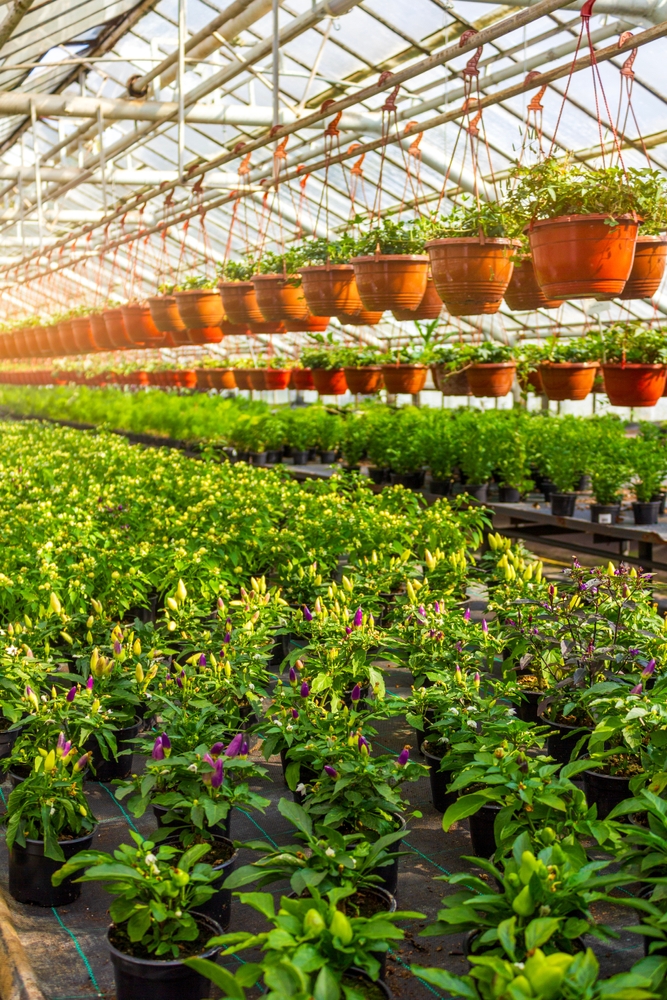
Seasonal Heating Profiles and Load Variations
The heating demand of a greenhouse is not constant. It varies dramatically by the hour, the day, and the season. The boiler system must be capable of adapting to these changes efficiently.
Adjusting boiler operation for winter peaks and milder shoulder seasons
The heating system must be sized for the “design day”—the coldest anticipated day of the year. However, the boiler will spend most of its time operating under partial load during the milder spring and fall “shoulder seasons.” A boiler with a high turndown ratio can modulate its firing rate down to meet these lower demands without wasteful on/off cycling. A modular boiler system also excels here, allowing you to run just one small boiler during mild weather for maximum efficiency.
Managing startup loads during sudden temperature drops
When a cold front moves in, the boiler needs to respond instantly. A system with sufficient “pickup factor” can handle the sudden demand without letting the greenhouse temperature sag. This often requires a boiler with a responsive burner and control system that can go from low fire to high fire quickly and stably.
Burner tuning and combustion control across changing outdoor conditions
The density of air changes with temperature. The cold, dense air of winter requires a different fuel-to-air mixture for efficient combustion than the warmer air of spring. They continuously “tune” the burner to ensure it is operating at peak efficiency regardless of the outdoor weather conditions.
Condensation, Moisture, and Water Quality Considerations
Greenhouses are, by nature, high-moisture environments. This humidity, combined with the continuous operation of the heating system, creates specific maintenance challenges that must be managed to ensure long equipment life.
Water treatment essentials for long boiler life
The water circulating in your heating system is its lifeblood. Untreated “hard” water will cause mineral scale to build up inside the boiler and heating pipes. This scale restricts flow and acts as an insulator, forcing the boiler to work harder and eventually causing it to overheat and fail. A proper water treatment program, starting with a water softener, is the most important investment you can make in the longevity of your heating system.
Identifying and fixing condensate return issues
In steam systems, failed steam traps can lead to waterlogged heating units or, worse, live steam being wasted into the return lines. In hydronic systems, air in the piping can cause “air lock,” preventing water from circulating to certain zones. A regular maintenance program should include checking for these issues to ensure the system is distributing heat effectively.
Protecting heating loops from scaling in hydronic systems
For hydronic systems, it’s not just the boiler that needs protection. The entire closed loop should be treated with corrosion inhibitors to protect the pipes, pumps, and valves from the inside out. Regular testing of the loop’s water chemistry ensures that this protective barrier remains effective.
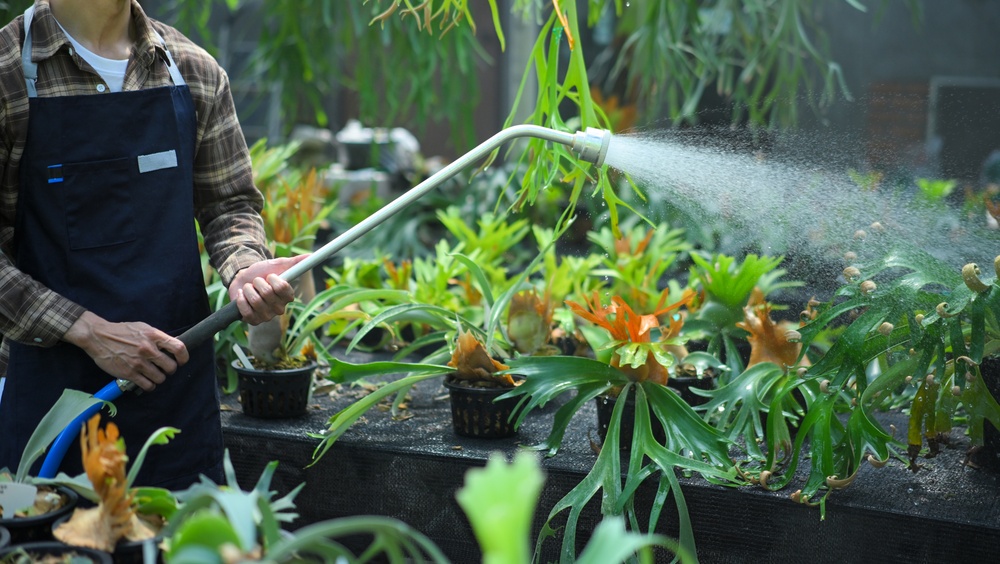
How Cole Industrial Supports Nursery & Greenhouse Heating Projects
Cole Industrial has been working with growers across the Northwest for decades. We understand that your boiler is a critical piece of your production equipment and that reliability is paramount.
Need a Reliable Heating System for Your Nursery or Greenhouse? Cole Industrial Builds Efficient, High-Performance Agricultural Boiler Systems
Your crop is your livelihood. Don’t risk it with an unreliable or inefficient heating system. Cole Industrial delivers the robust, stable, and cost-effective boiler solutions that commercial growers depend on to thrive, season after season.