
Venting & Combustion Air Requirements: Building a Safe, Reliable Boiler System From the Ground Up
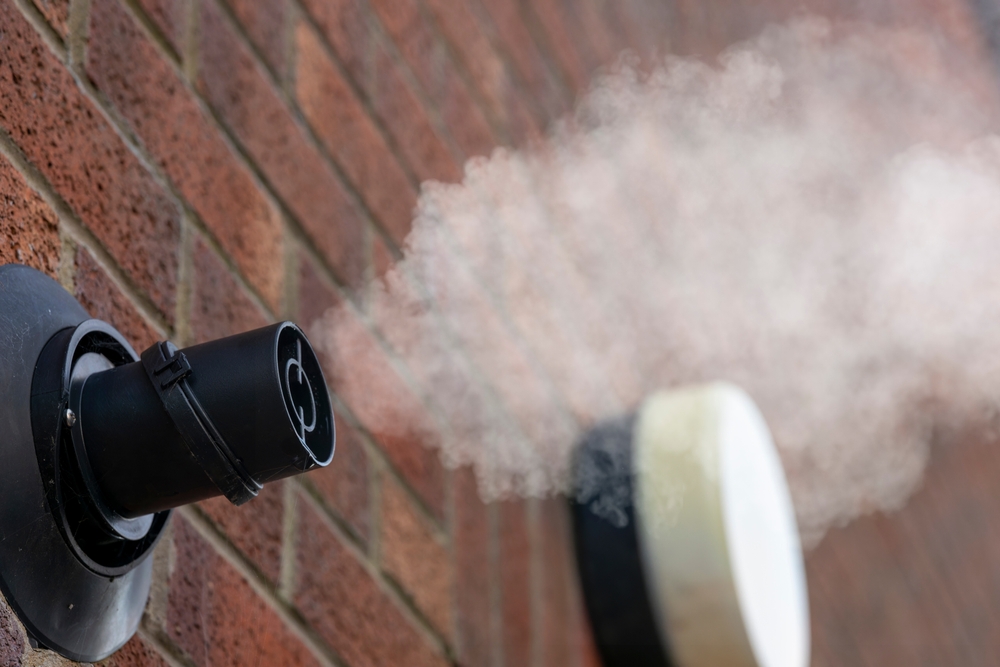
Why Proper Venting and Combustion Air Are Critical for Boiler Performance
A boiler is fundamentally a sophisticated fire in a box. Like any fire, it needs two things to function correctly: a steady supply of air to sustain combustion and a clear path to exhaust the byproducts. In an industrial boiler system, these two elements—combustion air and venting—are not just accessories; they are core components that dictate safety, efficiency, and equipment life.
An undersized air supply starves the burner, leading to incomplete combustion, soot production, and dangerous carbon monoxide levels. An improperly designed vent stack can create poor draft, causing flame instability and nuisance lockouts. Getting these systems right is a matter of engineering, not guesswork. It ensures your boiler operates at peak efficiency, complies with safety codes, and runs reliably for years.
Understanding Draft — How Your Boiler Moves Air and Exhaust Safely
Draft is the pressure difference that moves air and flue gas through the boiler and out the stack. Without proper draft, a boiler cannot breathe, and its performance will suffer immediately.
Natural Draft vs. Forced Draft Systems
A natural draft system relies on the principle that hot air rises. The heat of the flue gas in a tall stack creates a pressure differential, pulling exhaust out of the boiler. A forced draft system uses a mechanical blower—the burner fan—to push combustion air into the furnace, creating positive pressure that forces flue gas out. Most modern packaged boilers use forced draft burners, but they still rely on a properly designed stack to avoid excessive backpressure.
How Stack Height, Temperature, and Routing Affect Draft
Several factors influence draft. A taller stack generally produces a stronger natural draft. Higher flue gas temperature also increases draft. The routing of the vent matters, too; long horizontal runs and multiple elbows create resistance and reduce draft. All these factors must be calculated during the design phase to ensure the system will perform as intended.
Symptoms of Poor Draft: Flame Instability, High CO, Soot, Lockouts
A boiler with poor draft will show clear signs of trouble. The flame may appear unstable or “lazy.” You might see evidence of flame rollout, where flames lick out of the boiler’s inspection ports. A combustion analyzer will likely show high carbon monoxide (CO) readings, and you may see soot forming on the fireside surfaces or coming from the stack. These conditions often lead to recurring burner lockouts.
When Draft Controls or Induced Draft Fans Are Required
In some cases, draft conditions can fluctuate due to wind or atmospheric changes. A barometric damper can be installed in the breeching to automatically bleed in room air and stabilize the draft. For systems with very long vent runs or high resistance, an induced draft fan may be required. This fan is installed at the base of the stack to mechanically pull exhaust gases out of the boiler, overcoming any system deficiencies.
Combustion Air Requirements — Ensuring the Boiler Gets the Air It Needs
A boiler consumes a massive amount of air. Starving it of this essential ingredient is one of the most common and dangerous mistakes in boiler room design.
Calculating Required Combustion Air Based on Boiler Input
The volume of air a boiler needs is directly proportional to its maximum fuel input (BTU/hr). National and local codes, such as NFPA 54, provide specific formulas for calculating the required free area of ventilation openings. These calculations ensure the boiler receives enough air for complete combustion, plus additional air for room ventilation, without depressurizing the space.
Natural vs. Mechanical Combustion Air Options
Combustion air can be supplied naturally through louvers installed in an exterior wall. This is a simple and reliable method, provided the openings are large enough and not obstructed. When a boiler room is located inland or below grade, a mechanical system is necessary. This involves a dedicated fan and ductwork to supply outside air directly to the boiler room.
Preventing Negative Pressure in the Boiler Room
If the boiler consumes more air than the ventilation can supply, it will create a negative pressure in the room. This can cause a host of problems, including burner ignition failures, flame instability, and back-drafting of flue gases. In a building with other exhaust fans, a boiler room can easily become “air-starved” if not designed correctly.
How Air Shortage Causes Misfires, High CO, and Unsafe Operation
Without enough oxygen, combustion becomes incomplete. This leads to the creation of soot and high levels of carbon monoxide, a toxic gas. The burner flame becomes unstable and difficult to control, causing misfires and lockouts. A chronic shortage of combustion air is an unsafe operating condition that must be corrected immediately.
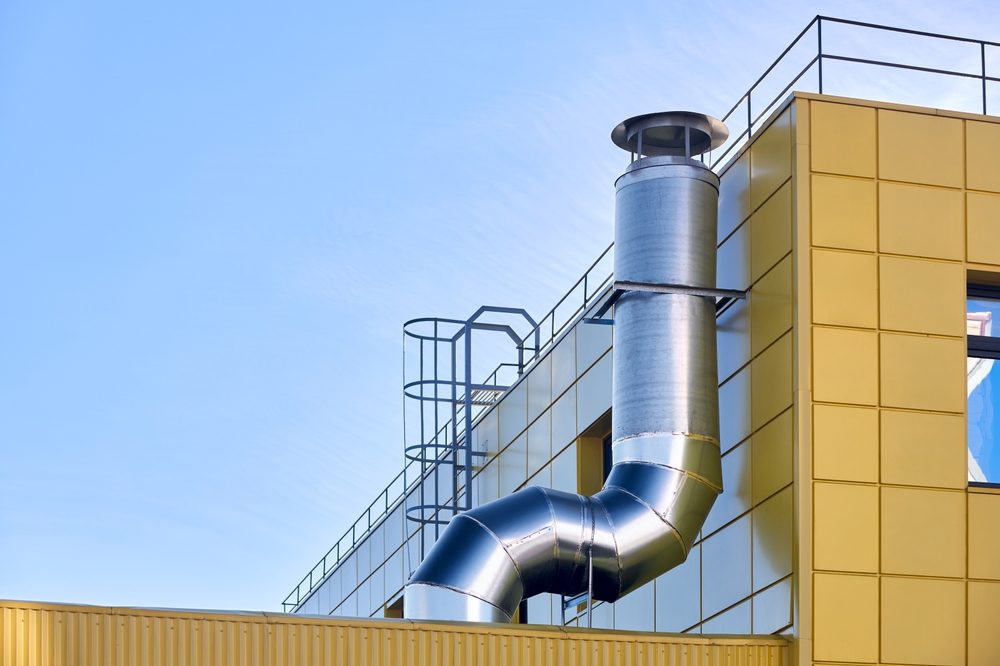
Vent Material, Routing, and Code Requirements
The system that carries hot, corrosive flue gas away from the boiler must be designed and built to last. The choice of material and routing is dictated by the boiler type and local codes.
High-Efficiency Boiler Venting — Special Considerations for Condensing Systems
Condensing boilers save fuel by extracting more heat from the flue gas, but this process creates unique venting challenges.
Why Condensing Units Require Special Vent Materials
The flue gas in a condensing boiler is cooled below its dew point, resulting in a constant flow of acidic condensate. Standard stainless steel cannot withstand this environment. Only corrosion-resistant materials like AL29-4C or approved plastics (like CPVC or polypropylene, depending on the manufacturer and local codes) can be used.
Condensate Drainage, Freeze Protection, and Neutralization
A significant amount of acidic water is produced and must be managed. The vent must be sloped to allow this condensate to drain freely. In cold climates, the drain line must be protected from freezing. Because the condensate is acidic, many jurisdictions require it to pass through a neutralization kit before being discharged into the public sewer system.
Short-Cycle Venting Risks and How to Avoid Them
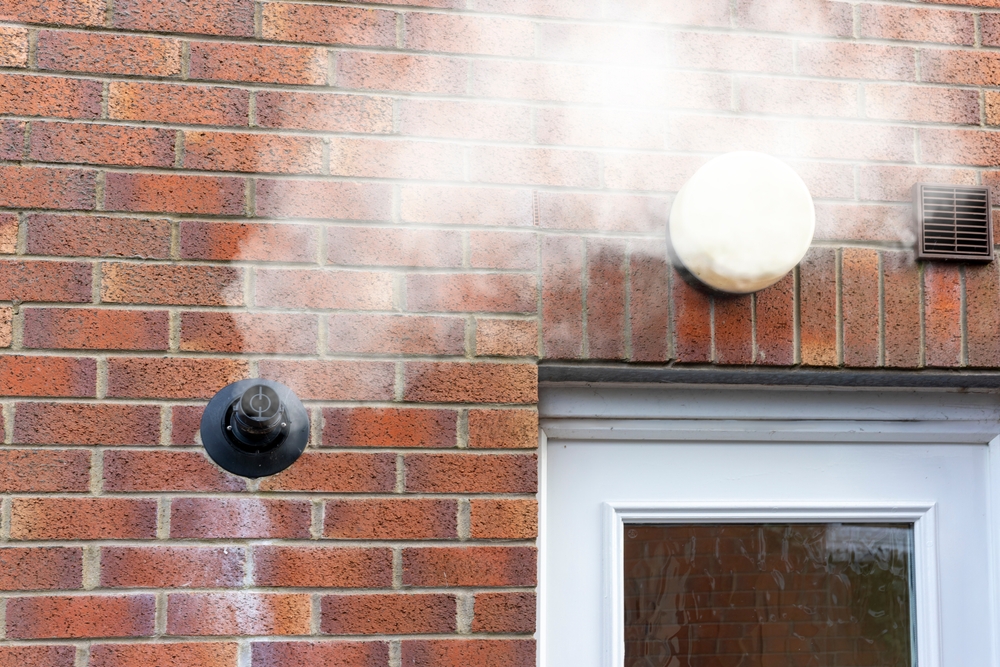
Condensing boilers often operate in sealed-combustion systems where they draw air from the outside through a concentric vent. If the exhaust and intake vents are placed too close together, the boiler can draw its own flue gases back in. This “short-cycling” will starve the boiler of fresh oxygen and cause combustion problems.
Ensuring Proper Airflow With Sealed-Combustion Systems
Sealed-combustion systems are sensitive to the total equivalent length of the vent and air intake piping. The manufacturer specifies a maximum length that cannot be exceeded. Every elbow and fitting adds to this equivalent length, and exceeding the limit will restrict airflow and cause the boiler to fail.
Combustion Air and Venting Problems — How to Identify Issues Early
A poorly performing vent or air supply system will always leave clues. Knowing what to look for can help diagnose problems before they become critical.
High CO or Excess O₂ Readings
A combustion analyzer is the best diagnostic tool. Consistently high CO readings point to incomplete combustion, often caused by a lack of air. Abnormally high O₂ readings can indicate excessive draft pulling too much air through the boiler.
Flame Lift-Off or Flame Rollout
If the burner flame appears to be “lifting off” the burner head, it can be a sign of excessive draft velocity. If flames are “rolling out” of the front of the boiler, it is a dangerous sign of inadequate draft or a blockage in the flue passages.
Soot or Smoke at the Stack
Visible soot or black smoke coming from the stack is a definitive sign of incomplete combustion. This is often caused by an insufficient air supply or poor fuel atomization, but it can also be a symptom of a blocked vent.
Nuisance Lockouts or Poor Burner Performance
Many burner lockouts that are blamed on the control system are actually caused by underlying airflow or venting issues. If a burner has trouble igniting or maintaining a stable flame, the first thing an experienced technician checks is the draft and combustion air supply.
Integration With Boiler Controls and Efficiency Equipment
Modern venting and air systems are often integrated with advanced controls to maximize efficiency and reliability.
Frequently Asked Questions About Venting and Combustion Air Requirements
No. If the boiler room has properly sized louvers to an outside wall and is not under negative pressure from other building exhaust systems, natural ventilation may be sufficient.
The vent should be sized according to the boiler manufacturer’s instructions and local codes. A qualified technician can perform a draft test at the boiler outlet to verify that the draft is within the specified range.
Typically, special grades of stainless steel like AL29-4C or engineered plastics such as CPVC and polypropylene are required. The boiler manufacturer’s installation manual will specify the approved materials.
Common causes include high winds affecting the stack, other large exhaust fans in the building cycling on and off, or a malfunctioning barometric damper.
Need Help With Venting or Combustion Air Design? Our Team Builds Safe, Code-Compliant Systems
Proper venting and combustion air systems are the bedrock of a safe and efficient boiler plant. At Cole Industrial, our engineers and technicians have spent decades designing and installing systems that deliver peak performance and meet all code requirements.
Contact Cole Industrial today for expert design and service on your boiler’s most critical support systems.