
Boiler Refractory Repair: Keeping Your Furnace Protected, Efficient, and Safe
Why Refractory Matters — The Foundation of Furnace Protection and Heat Retention
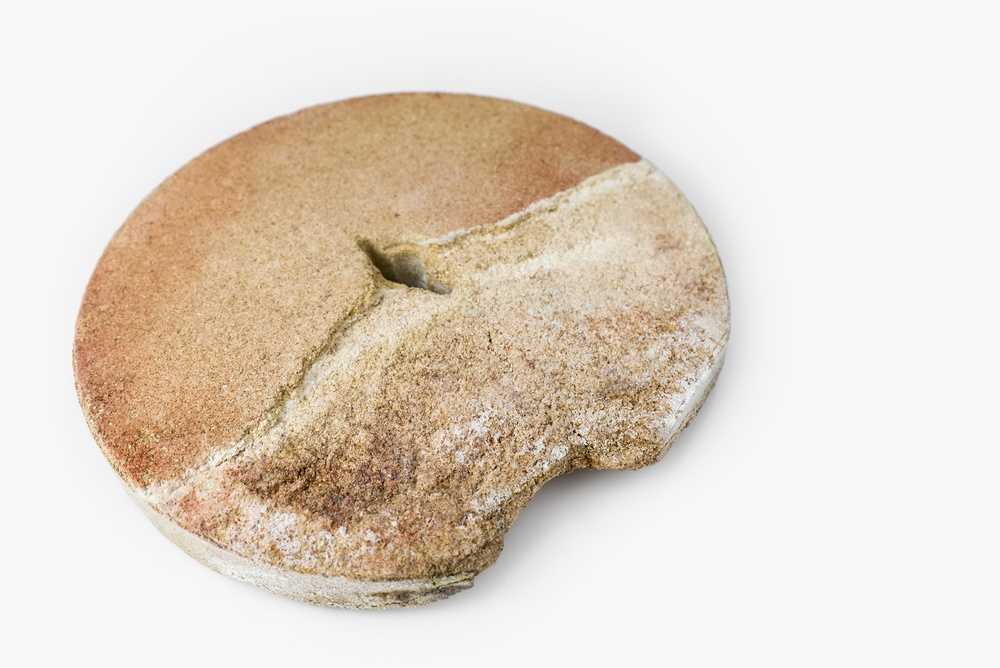
Inside every boiler, the furnace section is subjected to extreme temperatures, often exceeding 2,000°F. The only thing protecting the boiler’s structural steel from this intense heat is the refractory—a layer of high-temperature, insulating material. Refractory is the fundamental barrier that safeguards the pressure vessel from thermal stress and potential failure.
But its function goes beyond simple protection. Properly installed and maintained refractory is crucial for boiler efficiency. It reflects radiant heat back into the furnace, ensuring that energy is directed toward the water-filled tubes instead of being lost through the boiler casing. When refractory degrades, cracks, or fails, the boiler’s efficiency drops immediately. Heat escapes, fuel consumption rises, and the risk of catastrophic damage to the pressure vessel increases significantly. For any facility focused on uptime and operational costs, refractory maintenance is not an optional task—it is a core requirement for safe and efficient operation.
Types of Refractory Used in Modern Boilers
Refractory is not a one-size-fits-all material. Different types are used based on the boiler’s design, operating temperature, and specific application. Understanding the materials in your furnace is key to proper repair.
Brick Refractory — High Durability for Extreme Conditions
Firebrick is one of the oldest and most durable forms of refractory. These dense, heavy bricks are installed with high-temperature mortar and offer excellent resistance to heat and abrasion. They are often used in the highest-temperature zones of large industrial watertube boilers where conditions are most severe.
Castable Refractory — Versatile for Repairs and Complex Shapes
Castable refractory is delivered as a dry mix, similar to concrete, and is mixed with water on-site. It can be poured or troweled into place, making it extremely versatile for patching damaged areas or forming complex shapes like burner throats and furnace floors. Its flexibility makes it a common choice for many firetube and watertube boiler repairs.
Plastic Refractory — Fast Installation for Tight Spaces
Plastic refractory is a pliable, clay-like material that can be rammed or hammered into place. It is ideal for making quick repairs, especially on vertical walls or in areas with limited access. It offers good thermal properties and is often used for patching and creating seamless linings around inspection doors and burner openings.
Ceramic Fiber Linings — Lightweight, High-Performance Options
Ceramic fiber, available as blankets, boards, or modules, is a lightweight, highly efficient insulator. It heats up and cools down quickly, making it a good choice for cycling boilers. Its low thermal conductivity provides excellent insulation, but it is more susceptible to mechanical damage and erosion from high-velocity gases compared to dense castables or bricks.
Common Refractory Failures — And What Causes Them
Refractory is durable, but it operates in a harsh environment. Over time, it will degrade. Recognizing the signs and causes of failure is critical for timely intervention.
Spalling From Thermal Shock or Excessive Heat Cycling
Spalling occurs when the surface of the refractory flakes or breaks off. This is often caused by thermal shock—rapid heating or cooling that creates internal stresses in the material. Boilers that cycle on and off frequently are particularly prone to this type of failure.
Cracking Due to Poor Installation or Mechanical Stress
Cracks can form for several reasons. If castable refractory is not cured and dried out properly during installation, trapped moisture can turn to steam and create cracks. Mechanical stress from boiler expansion and contraction can also lead to cracking over time. While minor hairline cracks are often acceptable, larger structural cracks compromise the refractory’s integrity.
Chemical Attack From Improper Water Treatment or Fuel Residue
The byproducts of combustion can be corrosive. Certain elements in fuel, like sulfur, can react with the refractory material and cause it to weaken and degrade. Similarly, if a boiler tube leaks, the water treatment chemicals can attack the refractory surface, causing it to soften and break down.
Erosion or Wear in High-Velocity Gas/Liquid Areas
In certain areas of the boiler, flue gases can travel at high speeds. This constant flow can act like a sandblaster, slowly eroding the refractory surface. This is common near burner throats and where gases make sharp turns. Flame impingement, where the burner flame directly hits the refractory, will cause rapid and severe erosion.
When Refractory Can Be Repaired vs When It Needs Full Replacement
Not every crack or chip requires a full furnace rebuild. The decision to patch or replace depends on the extent and nature of the damage.
Cure Times, Startup Procedures, and Downtime Expectations
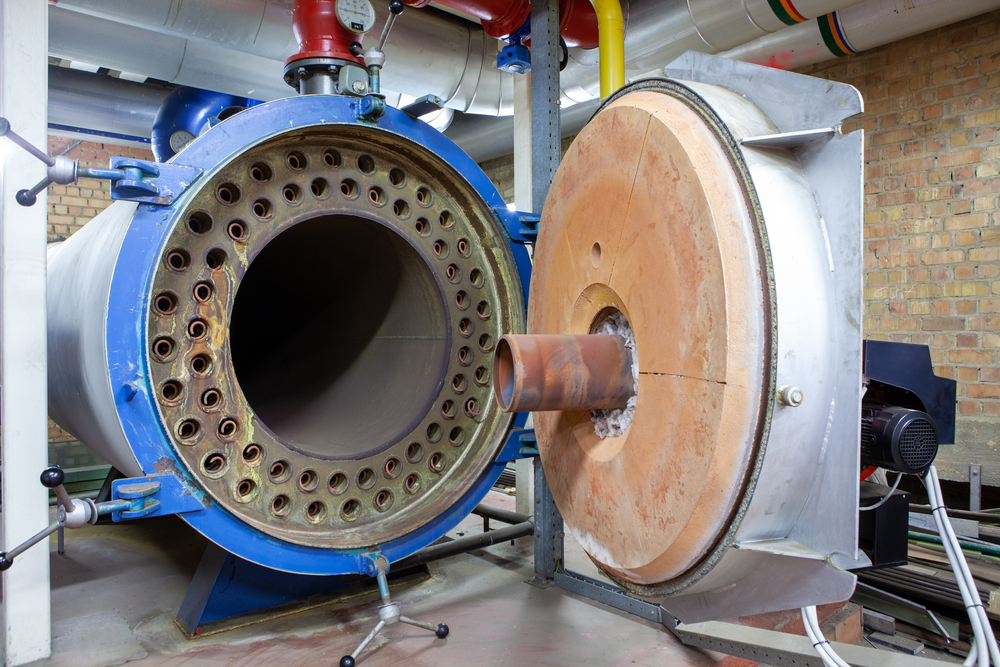
Refractory repair is not a quick fix. The material requires a controlled dry-out and curing process to achieve its full strength and insulating properties. Rushing this process will lead to premature failure.
Dry-Out Schedules for Castable and Plastic Refractory
After new castable or plastic refractory is installed, the trapped water must be removed slowly. This is done through a carefully controlled “dry-out” schedule. A low-temperature heat source, often a portable heater or the boiler’s own burner on a very low setting, is used to gradually raise the temperature over many hours or even days.
Proper Temperature Ramps for Avoiding New Cracks
The manufacturer of the refractory provides a specific temperature ramp schedule that must be followed precisely. This schedule dictates how quickly the temperature can be increased and includes “hold times” at certain temperatures to allow moisture to escape without creating steam pressure inside the material. Skipping these steps is a primary cause of new cracks.
How Long Different Materials Take Before Full Firing
The total dry-out time can range from 24 hours for a small patch to several days for a full furnace reline. The boiler cannot be returned to high-fire operation until this process is complete. Failure to follow the cure schedule will result in a weak repair that cracks and spalls almost immediately.
Planning Downtime and Temporary Steam Needs
Because of the long cure times, refractory repair requires significant planned downtime. For facilities that cannot afford to be without steam, arranging for a rental boiler is often a necessary part of the project plan. This ensures production can continue while the permanent boiler is safely repaired.
How Refractory Failure Impacts Burner Performance and Fuel Efficiency
A failing refractory system doesn’t just pose a structural risk; it directly harms your boiler’s performance and bottom line.
Flame Impingement and Burner Misfire Risks
When refractory erodes or falls away, it can change the shape and acoustics of the furnace. This can disrupt the burner’s flame pattern, causing it to become unstable or impinge on boiler tubes. This not only damages the tubes but can also lead to incomplete combustion and burner lockouts.
Heat Loss Leading to Higher Fuel Consumption
Refractory acts as insulation. When it fails, heat radiates directly to the boiler’s outer shell and is lost to the surrounding atmosphere. This is wasted energy. The boiler’s control system will respond by burning more fuel to maintain the required steam pressure, leading to a direct and measurable increase in your operating costs.
Uneven Heat Distribution That Leads to Tube Failures
A healthy refractory system ensures that heat is distributed evenly throughout the furnace. When sections fail, it creates hot spots where some tubes receive far more heat than they were designed for. This localized overheating can lead to rapid tube failure, causing an emergency shutdown and costly repairs.
Inspection Steps for Diagnosing Refractory Condition
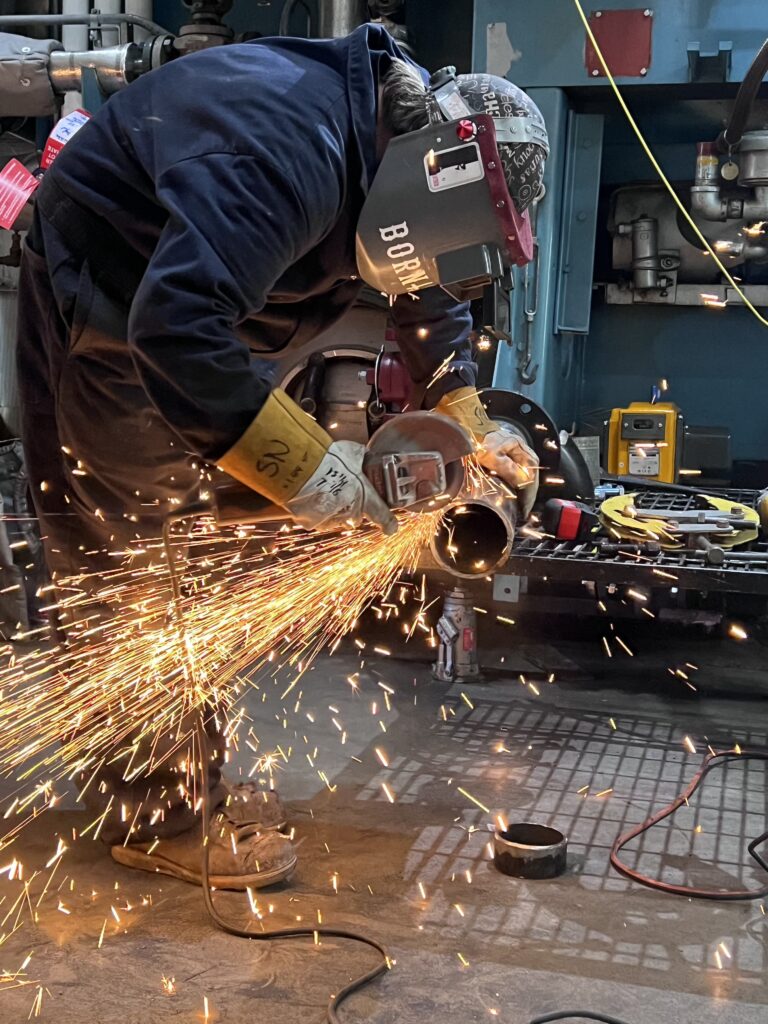
A thorough inspection by a qualified technician is the first step in any refractory maintenance plan.
Frequently Asked Questions About Boiler Refractory Repair
The lifespan of refractory varies greatly depending on the material, boiler type, operating cycles, and maintenance. In a well-maintained, continuously running boiler, it can last for many years. In a boiler that cycles frequently and has combustion issues, it may fail in as little as one to two years.
No. For safety and for the integrity of the repair, the boiler must be completely cooled down before any work can begin. Attempting to install new refractory on a hot surface will cause it to cure improperly and fail.
Some specialized “fast-curing” plastic refractories can reduce dry-out times. However, there is no substitute for a proper, controlled cure. Rushing the process is the most common cause of repair failure. The fastest reliable method is still dictated by the material manufacturer.
The best way is to follow the manufacturer’s dry-out schedule precisely. After the boiler is back in service, avoiding rapid temperature changes and ensuring the burner is properly tuned will help prevent thermal shock and extend the life of the new refractory.
Need Refractory Repair? Our Technicians Handle Everything From Patch Work to Full Rebuilds
Refractory failure is a serious issue that impacts your boiler’s safety, reliability, and efficiency. At Cole Industrial, our experienced team has been repairing and rebuilding boiler furnaces across the Northwest for decades. We have the expertise to diagnose the root cause of the failure and perform a lasting repair.
Contact Cole Industrial today for a professional refractory inspection or to schedule a repair.