Boiler Installation Process Overview: From Site Assessment to Commissioning
What a Proper Industrial Boiler Installation Should Deliver
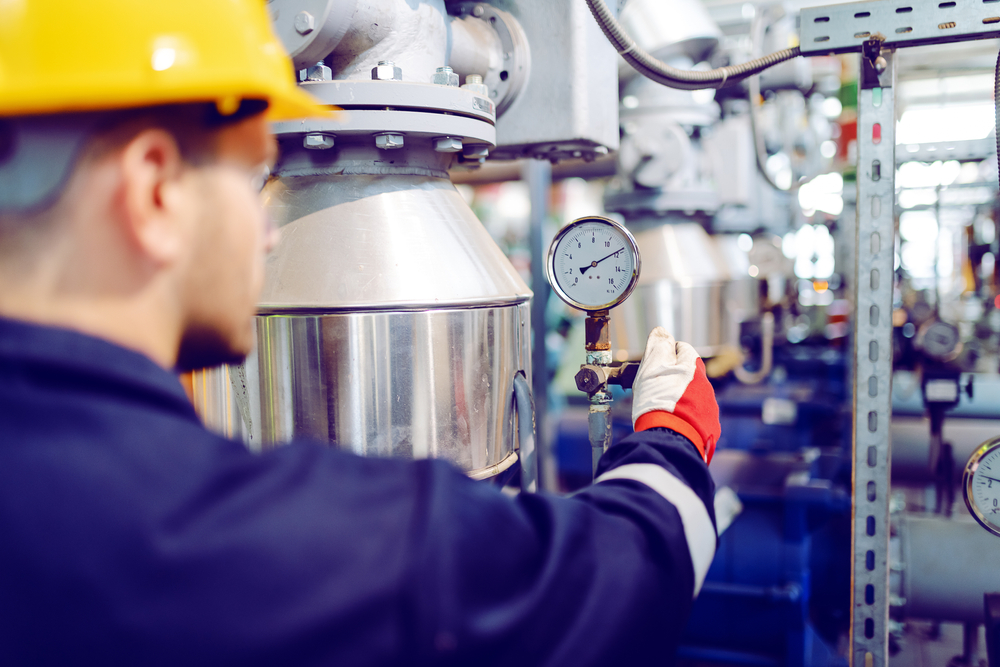
Installing an industrial boiler is not a plug-and-play operation. It is a complex engineering project that integrates heavy machinery with critical utility systems—fuel, water, steam, and electricity. When executed correctly, a boiler installation delivers more than just heat; it delivers decades of reliability, code compliance, and operational efficiency.
However, a poorly planned installation can lead to immediate headaches: nuisance shutdowns, efficiency losses, and even safety hazards that violate state codes. At Cole Industrial, we approach installation as a precise, systematic process. From the initial engineering review to the final firing of the burner, every step is calculated to minimize downtime and maximize the lifespan of the equipment. We don’t cut corners, because in a boiler room, shortcuts lead to failures. This guide outlines the industrial boiler installation process, detailing exactly what facility managers need to expect for a successful setup.
Step 1 — Pre-Installation Site Assessment and Engineering Review
Before a crane is scheduled or a pipe is cut, the groundwork for a successful installation is laid during the site assessment. This is where we validate that the proposed equipment fits the facility’s physical and operational constraints.
Verifying Space, Clearances, and Mechanical Room Requirements
The physical footprint of the boiler is just the starting point. We must verify that the mechanical room offers sufficient clearance for safe operation and maintenance. This means checking for tube-pull space—ensure there is enough room in front of or behind the boiler to remove tubes for replacement without knocking down a wall. We also verify clearance for door swings, access to manways, and overhead space for steam piping and safety valve discharge lines. If the boiler fits but cannot be serviced, the installation design is flawed.
Reviewing Fuel, Water, Electrical, and Venting Capabilities
A new boiler often has different utility demands than the unit it replaces. We assess the existing infrastructure to ensure it can support the new load. Is the gas supply pressure adequate for the new burner’s turndown capabilities? Is the electrical service sized correctly for modern blower motors and control panels? We also evaluate the feedwater system to ensure it can deliver the required flow rate and temperature to prevent thermal shock.
Load Calculations and System Compatibility Checks
Sizing a boiler isn’t just about matching the horsepower of the old unit. Facilities change over time. We review the current steam or hot water load to ensure the new boiler is sized correctly. Oversizing a boiler leads to short-cycling and efficiency loss, while undersizing creates production bottlenecks. We also check compatibility with existing system pressures and control strategies to ensure seamless integration.
Identifying Required Upgrades Before Installation
The assessment phase often uncovers necessary upgrades to the surrounding infrastructure. This might include upgrading the chimney liner to handle condensing flue gases, installing new floor drains for blowdown equipment, or updating the combustion air louvers to meet current codes. Identifying these needs early prevents costly change orders and delays during the critical installation window.
Step 2 — Delivery, Placement, and Setting of the New Boiler
Once the engineering is finalized, the physical work begins. Moving a pressure vessel that weighs several tons requires logistical precision and safety-focused execution.
Step 3 — Utility Connections: Fuel, Water, Electrical, and Venting
With the vessel set in place, we connect the “life support” systems that allow the boiler to function. This stage involves multiple trades working in coordination.
Fuel Train Installation and Code-Required Safeties
The fuel train is the assembly of valves, regulators, and switches that controls the flow of gas or oil to the burner. We install this according to strict code requirements (such as ASME CSD-1 or NFPA 85). This includes installing sediment traps, pressure regulators, safety shut-off valves, and vent lines. Leak testing the fuel train is a mandatory safety step before any fuel is introduced to the burner.
Feedwater, Condensate, and Blowdown Piping Connections
Water piping must be robust. We connect the feedwater lines, ensuring proper check valves are in place to prevent backflow. Condensate return lines are plumbed to the feedwater tank. Crucially, we install the blowdown piping—both surface and bottom blowdown—routing it to a blowdown separator or tank. This piping must be rated for the high temperatures and pressures of the discharge water.
Electrical Power, Controls, and Interlock Wiring
Modern boilers are electrically complex. We run power to the burner motor, control circuits, and pumps. We also wire the safety interlocks, including low water cut-offs, high-pressure limits, and flame safeguards. Integration with the facility’s Building Management System (BMS) is also handled at this stage, allowing remote monitoring of boiler status.
Venting, Combustion Air, and Draft System Setup
The exhaust system is the lungs of the boiler. We connect the boiler breeching to the stack, ensuring joints are sealed to prevent flue gas leakage. We also verify that the combustion air louvers are functional and interlocked with the burner, ensuring the damper opens before the boiler attempts to fire. If a draft inducer or barometric damper is required, it is installed and calibrated.
Step 4 — Startup, Testing, and Full System Commissioning
Connecting the pipes is installation; making it run efficiently is commissioning. This is a distinct phase where the system is brought to life slowly, safely, and methodically.
Step 5 — Documentation, Inspection Sign-Off, and Operator Training
The job isn’t done until the paperwork is signed and the operators are confident.
Completing All Code and Manufacturer Documentation
We complete the CSD-1 reporting forms, the manufacturer’s startup reports, and our own internal quality checklists. This creates a baseline record of the boiler’s performance parameters (stack temp, fuel pressure, amp draw) that serves as a reference for future maintenance.
Preparing for State or Insurance Inspections
In most jurisdictions, a state boiler inspector must sign off on the installation before the boiler receives its operating certificate. We coordinate this inspection, walking the official through the installation, demonstrating the safety tests, and providing the required ASME data reports.
Operator Training on Controls, Maintenance, and Safety
The most reliable boiler is one with a trained operator. We conduct hands-on training sessions with your facility staff. We walk them through the startup and shutdown procedures, show them how to perform daily bottom blowdowns, explain the water chemistry requirements, and teach them how to interpret control panel alarms.
Final Turnover Package and Support Plan
We hand over a complete package containing the manuals, wiring diagrams, spare parts lists, and warranty information. We also outline the recommended preventative maintenance schedule to keep the warranty valid and the boiler running efficiently.
How Long Does a Boiler Installation Typically Take?
The timeline for an installation varies based on complexity, but understanding the factors involved helps in planning.
Common Mistakes That Cause Delays — and How We Avoid Them
Delays cost money. We avoid them by anticipating the common pitfalls that trip up less experienced installers.
Frequently Asked Questions About the Boiler Installation Process
We need to know your peak and minimum steam/load requirements, fuel availability and pressure, electrical service specifics, and physical access dimensions for the mechanical room.
Yes. We specialize in change-outs that keep the plant running. This often involves setting up a temporary rental boiler or carefully sequencing the shutdown of the old unit during a planned outage window.
Absolutely. We provide a turnkey service that includes the logistics of transport, cranes, and rigging to set the unit safely in place.
Standard requirements include hydrostatic pressure testing of piping, leak testing of fuel trains, and continuity testing of electrical circuits. The boiler itself undergoes a rigorous safety device testing protocol during commissioning.
Need a Safe, Code-Compliant Boiler Installation? Our Team Handles the Entire Process
At Cole Industrial, we have been installing boilers across the Northwest for over 60 years. We understand that a successful installation sets the trajectory for the entire life of the equipment.
Contact Cole Industrial today to discuss your boiler installation project and get a partner who delivers reliability from day one.