Rental Boiler Accessories: The Systems and Components That Keep Temporary Boilers Running Right
Why Rental Accessories Matter as Much as the Boiler Itself
A rental boiler is only as reliable as the system supporting it. While the boiler generates the heat, the supporting equipment is what allows it to operate safely, consistently, and efficiently. Overlooking these components is one of the most common causes of performance issues, unplanned downtime, and unnecessary strain on the equipment.
A complete rental boiler setup is not just a pressure vessel dropped on-site. It is a fully integrated system where every component must be properly sized, compatible, and ready to perform under real operating conditions. The difference between a smooth startup and constant troubleshooting usually comes down to how well the accessories are planned and matched to the application.
At Cole Industrial, we approach rental boilers as complete systems. That means focusing just as much on the supporting equipment as the boiler itself, so everything works together the way it should from day one.
Feedwater Systems: The Backbone of Any Temporary Boiler Setup
The feedwater system is the most critical support component in any boiler rental. It delivers a steady supply of treated water to the boiler, and its performance directly impacts steam quality, efficiency, and the overall health of the unit.
Why Feedwater Quality Dictates Boiler Performance
A boiler is essentially a controlled heat exchange system, and water quality determines how well that process works. When untreated or hard water enters the system, it leads to scale buildup on internal surfaces. That scale acts as insulation, reducing heat transfer and forcing the boiler to work harder to produce the same output. Poor water quality also accelerates corrosion, which can damage tubes and internal components. Over time, that leads to reduced efficiency, higher fuel consumption, and the risk of costly failures and unplanned shutdowns.
Matching Feedwater Capacity to Boiler Size
The feedwater system must be able to supply more water than the boiler’s maximum steaming rate. A common rule is to size feedwater pumps at approximately 1.5 times the boiler’s full capacity. This allows the system to keep up with demand during load changes and recover quickly after blowdown events.
Types of Rental Feedwater Systems Available
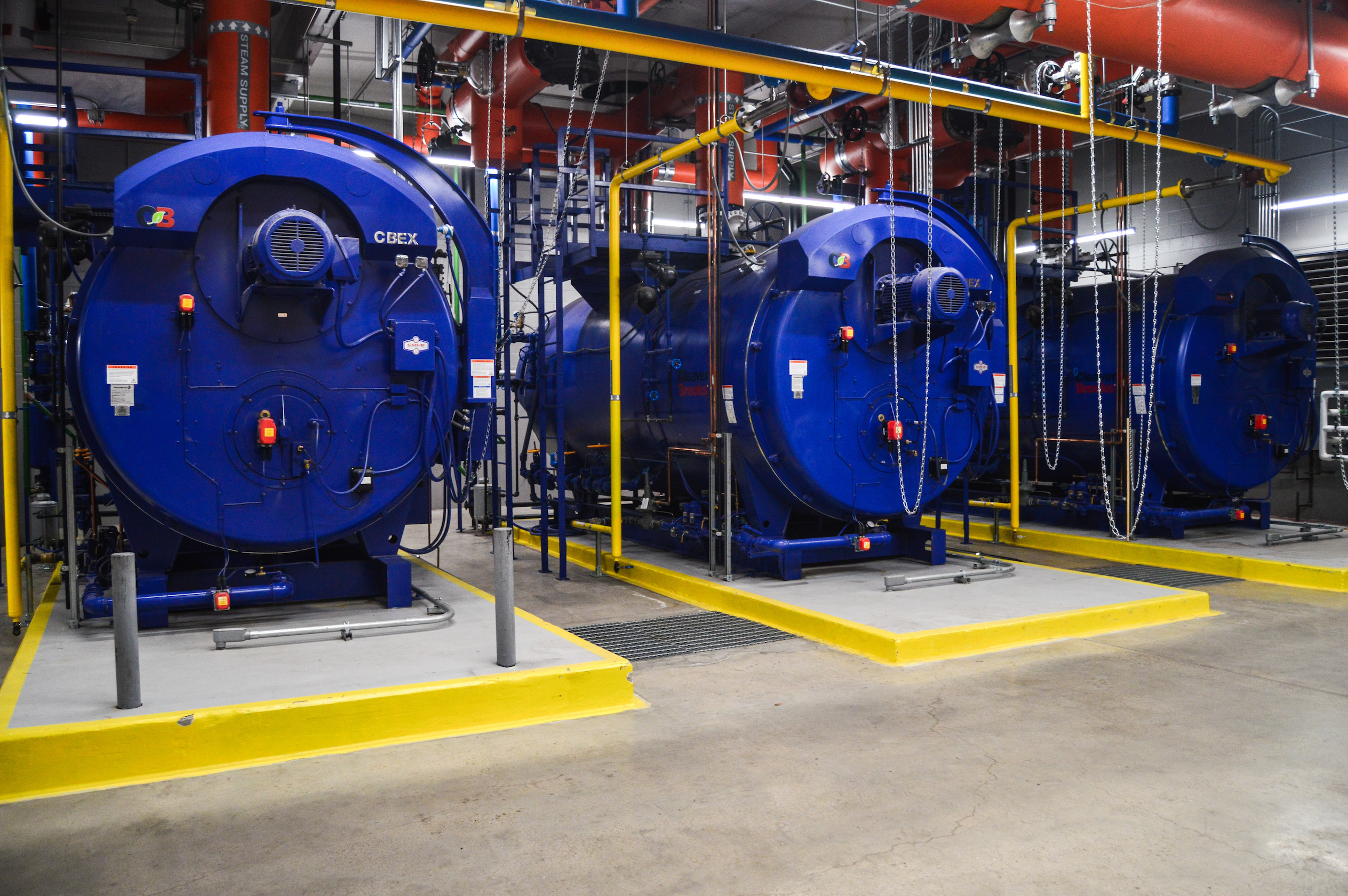
Rental feedwater systems are designed to integrate directly with temporary boiler setups for fast, reliable deployment. These systems typically include a feedwater tank, one or more pumps, and the necessary controls and piping, all mounted on a skid for ease of installation. This packaged approach ensures the components are properly matched and simplifies setup in the field, reducing the risk of connection issues or performance gaps.
Common Issues When Feedwater Equipment Is Undersized
When the feedwater system cannot keep up, the boiler is effectively starved of water. This leads to frequent low-water shutdowns, operational instability, and added thermal stress on the equipment. It is a preventable issue, but one that shows up often when feedwater systems are treated as an afterthought instead of a core part of the rental package.
Water Treatment and Softening Equipment: Protecting the Boiler From the Inside Out
Even when a facility has treated city water, a dedicated water treatment approach is still critical for temporary boiler operation. Minerals and dissolved solids that seem harmless in general use can quickly create problems inside a boiler system.
Preventing Scale, Corrosion, and Tube Damage
Water softeners remove hardness minerals like calcium and magnesium, which are the primary cause of scale buildup. Without proper treatment, that scale forms on heat transfer surfaces, reducing efficiency and increasing the risk of overheating. Corrosion is the second issue. Dissolved oxygen and other contaminants can attack internal metal surfaces, leading to pitting and long-term damage. Together, scale and corrosion are two of the most common reasons boilers lose efficiency or fail prematurely.
Portable Water Softening Options for Temporary Installations
For rental applications, portable, skid-mounted water softeners provide a practical solution. These systems are pre-plumbed, easy to connect, and designed to integrate directly between the water source and the feedwater system. They are sized based on the boiler’s consumption rate and can typically be regenerated on-site as needed, allowing continuous operation without interruption.
How Water Treatment Is Typically Handled on Rental Projects
Water chemistry is usually managed by a third-party water treatment provider. They evaluate the incoming water, recommend the appropriate treatment approach, and handle any chemical treatment requirements if needed. From a rental standpoint, the goal is to ensure the system is set up correctly and that the water entering the boiler will not create preventable issues during operation.
Exhaust and Ducting Systems: Managing Combustion Safely
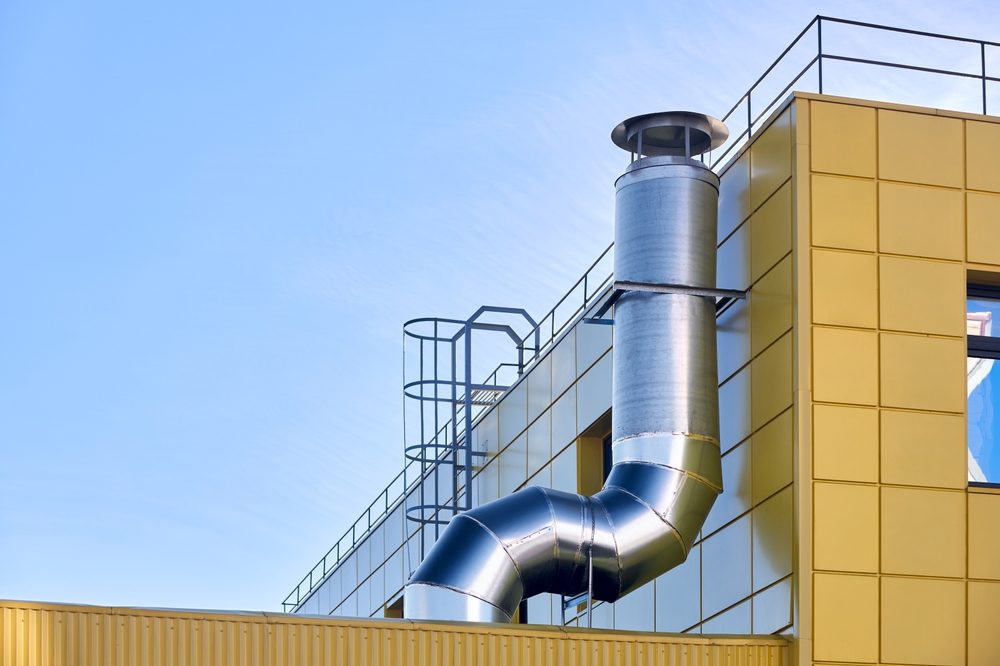
Every rental boiler requires a properly designed exhaust system to safely vent combustion gases. This is not a secondary detail. Poor venting can create serious safety risks, reduce combustion efficiency, and lead to nuisance shutdowns.
Proper Draft and Ventilation for Portable Boilers
The exhaust stack must be configured to create adequate natural draft while directing flue gases safely away from the work area. Placement matters. The stack should discharge well clear of building air intakes, windows, and personnel zones. At the same time, the boiler needs sufficient combustion air. Without proper airflow, the burner cannot operate efficiently, which can lead to incomplete combustion and unstable performance.
Materials and Diameters for High-Temperature Exhaust
Exhaust stacks must be built from materials that can handle sustained high temperatures, typically stainless steel. Just as important is proper sizing. The diameter of the stack must match the boiler’s flue outlet to avoid restricting flow. If the exhaust system is undersized or improperly configured, it can create backpressure on the unit. That affects burner performance and can trigger safety lockouts, taking the boiler offline when it is needed most.
Clearance and Code Considerations
Exhaust systems must be installed with appropriate clearances from combustible materials and in accordance with local codes. Every site is a little different, so planning the exhaust layout upfront helps avoid last-minute adjustments or compliance issues during startup. A properly designed exhaust system does more than meet code. It ensures the boiler runs safely, consistently, and without avoidable interruptions.
Controls and Instrumentation: Monitoring a Temporary Boiler With Confidence
Modern rental boilers rely on dependable control systems to operate safely and consistently. These controls act as the central point of coordination, managing startup, operation, and shutdown while continuously monitoring key conditions inside the boiler.
Fuel Supply Systems: Ensuring Consistent and Reliable Combustion
A boiler can only perform as well as its fuel supply allows. Even a properly sized and installed unit will struggle if fuel delivery is inconsistent or undersized for the application.
Natural Gas vs. Alternative Fuel Options
Most rental boilers are set up to run on natural gas when it is available. It’s typically the most efficient and straightforward option, provided the site has adequate pressure and volume to support the load. When natural gas is not available or sufficient, alternative fuel sources such as fuel oil or propane may be used. The appropriate option depends on site conditions, local availability, and the specific requirements of the boiler.
Pressure, Flow, and Connection Requirements
Fuel supply must meet both pressure and flow requirements for the burner to operate correctly. If pressure is too low or fluctuates, the burner may not maintain stable combustion. If flow is restricted, the boiler will not be able to reach or sustain its required output. Proper connection sizing, regulator selection, and supply verification are all part of ensuring the system performs as expected once it is online.
Coordinating Fuel Supply With Rental Setup
Fuel systems are typically coordinated as part of the overall project planning. Depending on the setup, this may involve working with utility providers, fuel suppliers, or on-site personnel to confirm that the necessary infrastructure is in place before startup. The goal is to eliminate surprises. When fuel supply is properly planned and verified ahead of time, the boiler can operate reliably without interruptions tied to inconsistent combustion or supply limitations.
Steam Hoses and Temporary Piping: Connecting the System to Your Facility
Once the boiler is in place, it needs a reliable way to deliver steam or hot water into your system. Temporary connections are often used to bridge the gap between the rental unit and your facility’s existing piping.
High-Pressure Steam Hose Applications
Flexible steam hoses are commonly used when speed and adaptability are priorities. They allow for quick connections and can accommodate slight misalignment between the boiler and the facility connection point. These hoses must be rated for the system’s pressure and temperature and installed with proper support to prevent stress or damage during operation.
Safety Considerations for Temporary Connections
All temporary connections must be installed with safety in mind. Proper supports, expansion allowances, and secure fittings are essential to prevent leaks or failures under pressure. Planning these connections correctly ensures that steam is delivered efficiently while maintaining safe operating conditions throughout the rental period.
Temporary Piping for Longer-Term Installations
For longer-term rentals or higher-demand applications, temporary hard piping may be used instead of flexible hoses. This provides a more stable connection and can improve overall system reliability when the setup will remain in place for an extended period. The choice between hoses and piping depends on the duration of the rental, site conditions, and how the system will be used day to day.
Need Help Planning Your Rental Boiler System?
If you’re preparing for a rental or dealing with an outage, getting the right equipment in place starts with understanding your system as a whole.
Our team can help you review your requirements, identify the necessary components, and make sure everything is aligned before equipment arrives on-site.