Boiler Safety Devices Explained: LWCOs, Safety Valves, Limit Controls, and Fuel Shutoff Systems
Why Safety Devices Are the Backbone of Safe Boiler Operation
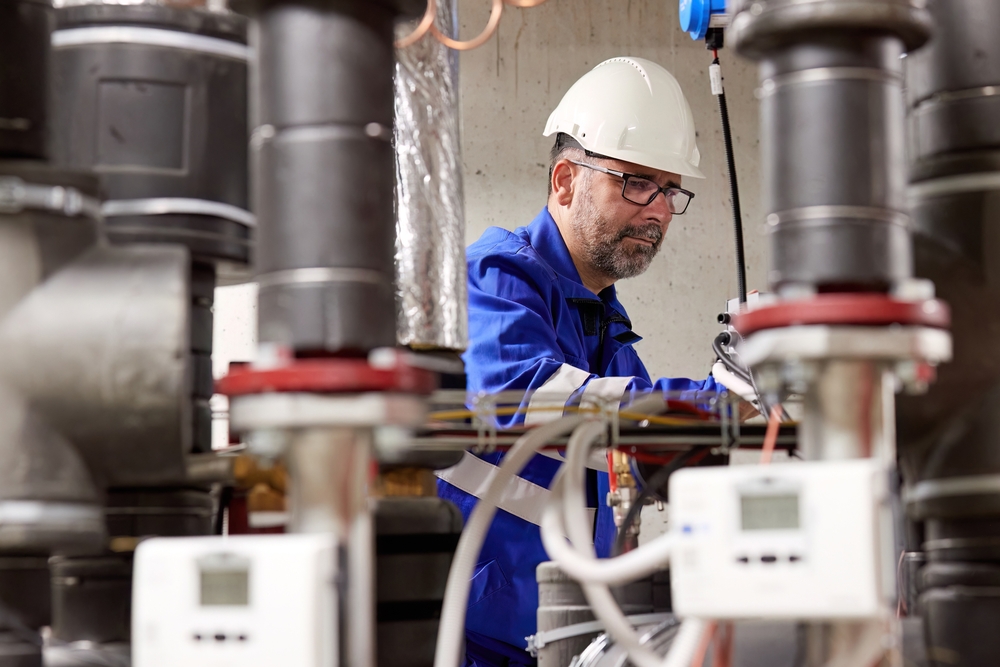
A boiler is a powerful piece of equipment, but it is only as safe as its protective devices. These components—from simple pressure switches to complex flame safeguard controls—are the backbone of a safe boiler room. They are not optional accessories; they are the non-negotiable systems that stand guard against overpressure, overheating, and combustion failures. No boiler is safe to operate without properly functioning safety equipment.
Relying on an operator alone to catch every issue is not a viable safety strategy. These automated devices provide a constant, vigilant watch over the boiler’s critical parameters. However, they are not infallible. They can fail due to wear, scale buildup, or improper installation. Consistent testing, inspection, and professional maintenance are the only ways to ensure these critical components will work when they are needed most.
Low-Water Cutoffs (LWCOs) — The Most Critical Device on Any Boiler
If there is one safety device that stands above all others in importance, it is the Low-Water Cutoff (LWCO). Its function is simple but absolutely critical: it prevents the boiler from firing if the water level drops to a dangerously low point. A low-water condition is the number one cause of catastrophic boiler failures, and the LWCO is the primary defense against it.
How LWCOs Prevent Catastrophic Overheating
Water in a boiler is not just for making steam; it is also the primary coolant for the metal surfaces exposed to the burner’s intense heat. If the water level drops and exposes the hot steel of the furnace or tubes directly to the flame, the metal temperature can rise to a critical point in minutes. At these temperatures, steel loses its structural integrity. The internal pressure can then cause the weakened metal to rupture violently. The LWCO prevents this entire sequence by shutting off the fuel to the burner, stopping the heat input before the metal can overheat.
Float vs. Probe-Type LWCOs and How They Work
There are two common types of LWCOs:
- Float-Type: This classic design uses a buoyant float that sits in a chamber connected to the boiler. As the water level drops, the float lowers, mechanically or magnetically activating a switch that cuts power to the burner circuit. They are simple and reliable but require regular blowdowns to flush out sediment that can cause the float to stick.
- Probe-Type: This design uses one or more conductive probes inserted into the boiler. The water completes an electrical circuit between the probes. If the water level drops below a probe, the circuit is broken, and a controller immediately shuts down the burner. Probe-type LWCOs have no moving parts to stick but can be fouled by scale or affected by changes in water conductivity.
Common LWCO Failure Modes — Scale, Sticking, Improper Testing
An LWCO is only effective if it works perfectly. Common failure modes include:
- Sticking Float: Sediment and scale can build up in the float chamber, causing the float to become stuck in the “up” position. This tricks the boiler into thinking the water level is safe when it is not.
- Fouled Probes: A heavy layer of scale can insulate a probe, preventing it from sensing the water correctly.
- Improper Testing: Simply opening the blowdown valve quickly does not adequately test a float-type LWCO. A slow-drain test is required to simulate a real-world event and confirm the float moves freely.
How Cole Industrial Tests and Verifies LWCO Operation During Service
We treat LWCO testing with the seriousness it deserves. Our technicians perform a slow-drain test under live-fire conditions. We carefully drain water from the boiler to watch the float or probe system operate, verifying that it shuts down the burner at the precise, code-mandated level. We inspect float chambers for sediment and clean probes to ensure proper conductivity. This rigorous validation ensures your most vital safety device is ready to protect your investment.
Safety Valves — The Final Line of Defense Against Overpressure
While limit controls manage the boiler’s operating pressure, the safety valve (or safety relief valve) serves as the final, purely mechanical line of defense against a dangerous overpressure event. It is an essential, code-required device that protects the pressure vessel from rupturing.
How Safety Valves Protect the Pressure Vessel
A safety valve is a simple, spring-loaded device designed to automatically open at a specific, pre-set pressure. This setpoint is always at or below the boiler’s Maximum Allowable Working Pressure (MAWP). If the operating controls fail and the pressure inside the boiler begins to rise uncontrollably, the safety valve will pop open, venting steam faster than the boiler can generate it. This releases the excess pressure and prevents it from reaching a level that could cause the vessel to explode.
Required Lift Test Intervals and What Technicians Look For
Safety valves are not “set it and forget it” devices. Jurisdictional codes require them to be tested regularly, typically on an annual basis, by a qualified technician. During a manual lift test, the technician carefully lifts the test lever to verify that the valve opens and closes cleanly without sticking or “simmering.” They listen for a distinct “pop” as the valve opens and a solid reseating as it closes. Any sign of leakage or sticking is cause for immediate concern.
Signs a Safety Valve Is Nearing Failure
Operators should be vigilant for signs that a safety valve needs attention:
- Weeping or Simmering: A wisp of steam constantly leaking from the valve’s discharge pipe indicates the valve is not seating properly.
- Corrosion or Debris: Visible corrosion on the valve body, spring, or lever can impede its operation.
- Failure to Reseat: If a valve opens during a test but continues to leak after the lever is released, it is failing.
A failing safety valve is a critical hazard that must be addressed immediately.
Why Safety Valves Must Always Meet ASME Standards
Safety valves are manufactured and certified under strict ASME code standards. They must be sized correctly for the boiler’s steaming capacity and stamped with the ASME “V” or “HV” symbol. Never replace a safety valve with a non-code valve or one with an incorrect pressure setting. Using the wrong valve is the same as having no protection at all.
Pressure and Temperature Limit Controls — Keeping Operation Within Safe Boundaries
If the safety valve is the last line of defense, the limit controls are the primary defenders. These are the automatic switches that control the boiler’s normal firing cycle, keeping the pressure and temperature within a safe, predetermined range.
Flame Safeguard Controls — Monitoring Ignition and Combustion Safety
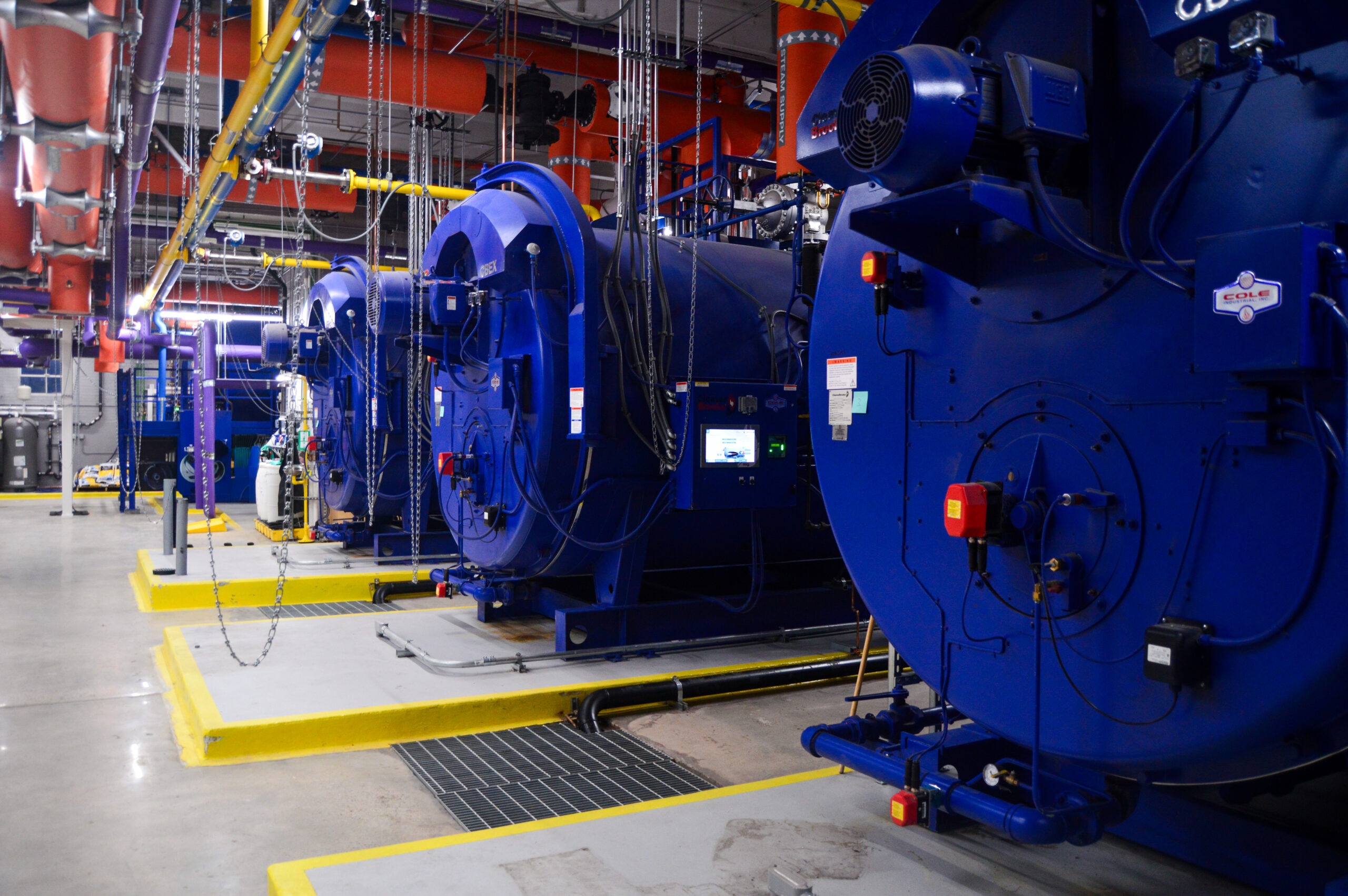
The flame safeguard system is the “brain” of the burner. This sophisticated controller manages the entire ignition sequence and continuously monitors the flame during operation to ensure combustion is occurring safely.
How Flame Sensors Detect and Confirm Safe Combustion
Modern flame safeguards use electronic flame sensors to “see” the flame. The two primary types are:
- Flame Rod (Ionization): Used on gas-fired burners, a flame rod sits in the pilot and/or main flame. The flame itself conducts a small electrical current, and the control verifies this signal to confirm a flame is present.
- Ultraviolet (UV) Scanner: Used on gas or oil burners, a UV scanner is a tube that detects the ultraviolet radiation emitted by the flame. It is highly selective and will not be fooled by the glow of hot refractory.
What Happens During a Flame Failure or Lockout Event
If the flame sensor does not detect a stable flame within a few seconds of the fuel valve opening, the flame safeguard will immediately shut all fuel valves and go into a “lockout.” This prevents the furnace from filling with unburned fuel. Likewise, if the flame goes out during operation, the controller will sense the loss of the flame signal and shut the system down instantly.
Testing Ignition Systems and Flame Detection Equipment
A qualified technician will test the flame safeguard system by simulating a flame failure. This is often done by manually closing a fuel cock during operation to extinguish the flame. The technician then times the controller’s response, ensuring it shuts down the fuel train within the code-mandated timeframe (typically 4 seconds or less). They also check the strength of the flame signal to ensure it is strong and stable.
When to Replace vs Repair Flame Safeguard Components
Flame safeguard controllers are complex electronic devices. While some components like scanners or amplifiers can be replaced, the main control chassis is rarely repaired in the field. If a controller is malfunctioning, showing intermittent faults, or is an obsolete model for which parts are unavailable, replacement with a modern, code-compliant unit is the safest and most reliable solution.
Fuel Shutoff Valves — Protecting the Boiler During Abnormal Conditions
The fuel train is an assembly of valves and switches that safely controls the flow of fuel to the burner. The safety shutoff valves are a critical part of this system, designed to stop the flow of fuel instantly when the flame safeguard control detects a problem.
Double Block and Bleed Valves and How They Function
For gas-fired boilers over a certain size, codes require a “double block and bleed” valve arrangement. This consists of two automatic safety shutoff valves in series, with a smaller, normally-open vent valve in between them. When the burner is off, both main valves are closed and the vent valve is open, venting any gas that might leak past the first valve safely to the atmosphere. This prevents fuel from leaking into the furnace.
Fuel Pressure Switches and Regulator Safety
The fuel train also includes high and low gas pressure switches. These safety devices ensure the burner only operates when the fuel pressure is within a safe range. If the pressure is too low, it can cause an unstable flame. If it is too high, it can lead to over-firing. A failing pressure regulator can cause these unsafe conditions, which is why the pressure switches are essential backups.
Preventing Fuel Leakage or Unsafe Ignition Conditions
The entire fuel train is designed to prevent the single most dangerous combustion scenario: the introduction of fuel into the furnace without a confirmed flame. The safety shutoff valves, pressure switches, and flame safeguard controller all work together to achieve this goal.
How Cole Industrial Verifies Gas Train Integrity During Service
During a service call, our technicians perform a thorough inspection of the entire fuel train. We conduct leak tests on the safety shutoff valves to ensure they are providing a tight seal. We verify the setpoints of the high and low gas pressure switches and inspect vent lines for blockages. This comprehensive check ensures the fuel system is secure and ready to operate safely.
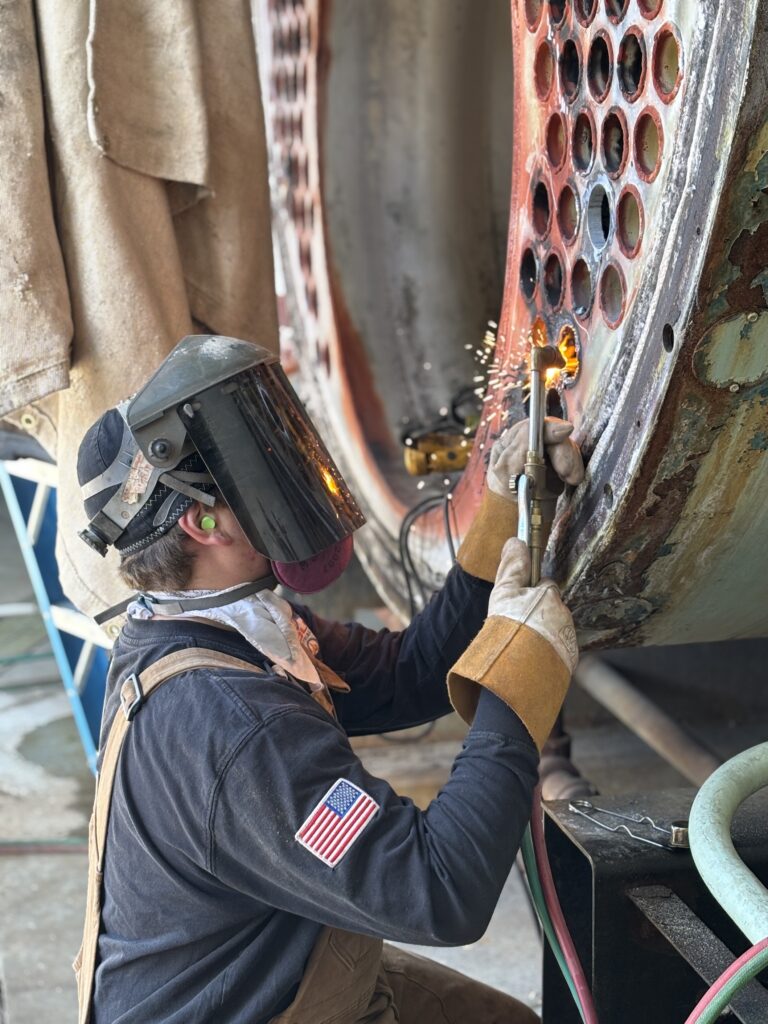
How Cole Industrial Tests, Validates, and Replaces Safety Components
At Cole Industrial, we are a contractor facilities trust because we prioritize safety and compliance above all else. Our expertise is in the hands-on work of ensuring your boiler’s safety devices are functioning correctly. We do not provide external safety training; we provide the professional service that makes your boiler room safer.
Frequently Asked Questions About Boiler Safety Devices
This varies by device and jurisdiction. LWCOs should be tested weekly by operators and annually by a technician. Safety valves are typically tested annually. Limit controls and flame safeguards should be verified during every annual service.
A constantly running feedwater pump, the need for frequent manual water additions, or alarms tripping are all signs. For float-type LWCOs, failure to shut down the boiler during a blowdown test is a definitive sign of failure.
Absolutely not. Intentionally bypassing or “jumpering” any safety device is extremely dangerous and is a leading cause of boiler accidents. It removes all protection and exposes the facility to immense risk.
Most modern safety valves are not designed to be repaired in the field. If a safety valve is leaking, sticking, or fails a lift test, it should be replaced with a new, code-certified valve of the exact same pressure setting and capacity.
Need Safety Device Inspection or Replacement? Cole Industrial Keeps Your System Code-Compliant
The safety of your boiler system depends entirely on the condition of its protective devices. Trust the certified professionals at Cole Industrial to test, validate, and maintain these critical components. We provide the expert service you need to keep your system safe, reliable, and in full compliance with all codes.