Boiler Safety Best Practices: How to Maintain a Safe, Code-Compliant Boiler Room

Why Boiler Safety Starts With a Clean, Organized, and Well-Maintained Operating Environment
A safe boiler room is not an accident. It is the direct result of discipline, awareness, and a commitment to professional standards. Major safety failures rarely begin with a sudden, unexpected event; they almost always start with small, overlooked conditions inside the mechanical room. A blocked air vent, a cluttered workspace, or a weeping valve are not minor housekeeping issues. They are the first links in a chain of events that can lead to equipment damage, dangerous failures, and serious injury.
Boiler safety is not just about the pressure vessel itself. It is about the entire operating environment. A facility that tolerates a messy, disorganized boiler room is a facility that is tolerating unnecessary risk. The best practices that follow are not suggestions; they are the fundamental requirements for maintaining a safe, compliant, and reliable boiler system.
Creating a Safe Operating Environment — Mechanical Room Conditions That Must Be Maintained
The four walls of the boiler room define the immediate safety zone for your equipment and personnel. Keeping this space clean, clear, and compliant with codes is a non-negotiable responsibility for any facility operator.
Maintaining Proper Ventilation and Combustion Air Supply
A boiler needs to breathe. Every fuel-fired boiler requires a specific amount of fresh air to support clean, safe combustion. If the supply of combustion air is restricted, the burner will be starved for oxygen, leading to incomplete combustion. This creates soot, wastes fuel, and can produce dangerous levels of carbon monoxide. Operators must ensure that all boiler room ventilation openings, louvers, and air intake screens are unobstructed. They should never be blocked, covered, or closed to “keep the room warm.”
Keeping Clearances Around Boilers, Stacks, and Piping
Every piece of equipment in a boiler room has a required clearance specified by the manufacturer and by safety codes. These clearances are not suggestions; they are mandatory for safety and serviceability. There must be adequate space around the boiler for a technician to perform maintenance and for heat to dissipate properly. Storing spare parts, tools, or flammable materials like cleaning solvents or oily rags near the boiler or its hot flue stack is a serious fire hazard. All walkways must remain clear to ensure a quick and safe exit path in an emergency.
Housekeeping Standards Operators Should Never Ignore
A clean boiler room is a safe boiler room. A floor covered in dust, debris, or a film of oil creates slip-and-fall hazards. More importantly, a clean environment makes it easy to spot problems. A small water leak or a wisp of steam from a gasket is immediately visible on a clean, dry floor. On a dirty floor, these critical early warnings go unnoticed. Operators must make housekeeping part of their daily routine, sweeping floors and wiping down equipment surfaces.
Ensuring Access to Valves, Controls, and Emergency Shutoffs
In an emergency, an operator must be able to access critical controls instantly. The main fuel shutoff valves, emergency boiler shutdown buttons, and main steam stop valves must be clearly marked and completely unobstructed at all times. Operators should never have to climb over equipment or move stored items to reach a safety shutoff. Every second counts during an abnormal event, and clear access can be the difference between a controlled shutdown and a disaster.
Operator Awareness — What to Watch, What to Report, and When to Act
A trained and attentive operator is the single most important safety device in any boiler room. While modern boilers have automated controls, they are no substitute for the eyes, ears, and experience of a human operator who can detect subtle changes that a controller cannot.
Recognizing Abnormal Sounds, Odors, Temperatures, or Vibration
Operators should perform a sensory check of the boiler room at the start of every shift.
- Sounds: Is the burner making its usual steady roar, or is there a new rumbling, whistling, or banging noise?
- Odors: Is there the distinct smell of unburned fuel, overheated electrical wiring, or hot metal?
- Temperatures: Does the room feel unusually hot? Are any pump motors or bearings hot to the touch?
- Vibration: Is there a new vibration in the floor or coming from a fan or pump?
Any deviation from the normal sensory baseline is a sign that something has changed and requires investigation.
Reporting Pressure, Temperature, or Water Level Trends That Drift
An operator’s job is not just to record numbers in a log but to interpret them. A pressure gauge that is slowly climbing, a flue gas temperature that is consistently higher than last week, or a water level that requires frequent additions are all critical data points. These trends are the boiler’s way of communicating a developing problem. A culture of safety encourages operators to report these drifts immediately, not just write them down and forget about them.
Identifying Combustion Issues Before They Become Dangerous
The flame is a direct window into the combustion process. An operator should look through the sight glass daily to assess the flame. Is it stable and bright, or is it lazy, yellow, and smoky? An unstable or sooty flame indicates a dangerous imbalance in the fuel-to-air ratio, which can lead to a puff-back or furnace explosion.
Knowing When to Shut Down and Call a Technician
An operator must be empowered to shut the boiler down if they believe an unsafe condition exists. Conditions that demand an immediate shutdown include:
- Any sign of a low-water condition where the water level is not visible in the gauge glass.
- A “runaway” condition where pressure is climbing uncontrollably toward the safety valve setpoint.
- A fuel leak of any kind.
- Any major water leak from the pressure vessel itself.
When in doubt, shut it down safely and call for professional service.
Technician & Contractor Best Practices: How Professionals Keep Boiler Rooms Safe
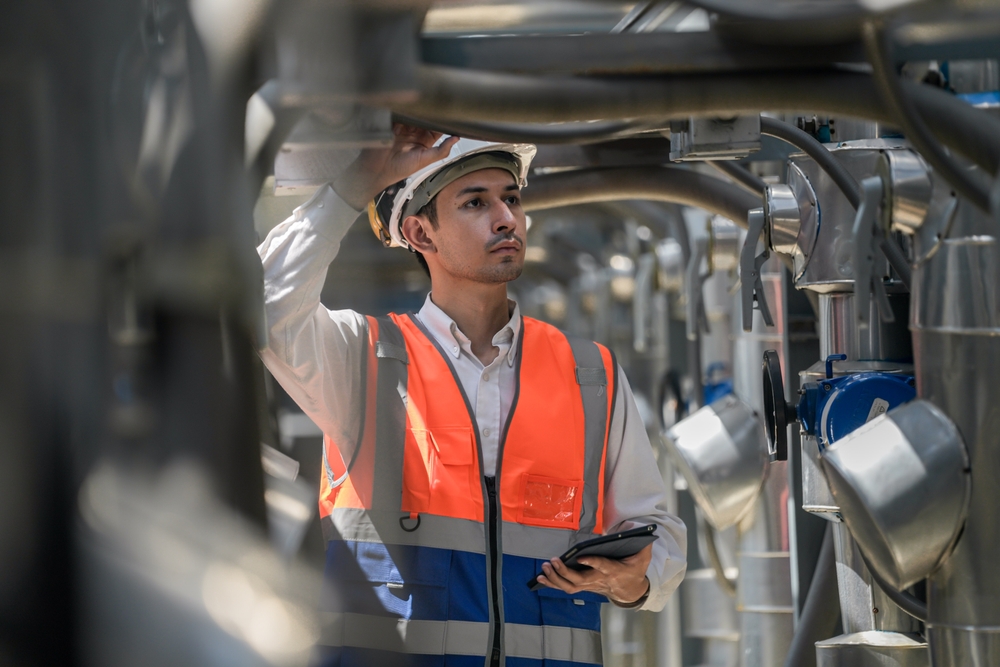
When a professional service technician works on your boiler, they follow a strict set of safety protocols that go beyond standard operator checks. These practices are designed to protect the technician, your facility, and your equipment during maintenance and repair.
Combustion Safety: Ensuring Fuel, Air, and Flame Conditions Stay Within Safe Limits
Safe boiler operation is impossible without safe combustion. The controlled, violent reaction of fuel and air inside the furnace generates tremendous energy. When this process becomes uncontrolled, it poses one of the most significant risks in the boiler room.
Why Improper Combustion Leads to Soot, Flame Instability, or Unsafe Conditions
When the ratio of fuel to air is incorrect, combustion becomes inefficient and dangerous. Too much fuel (a “rich” mixture) leads to the production of soot and carbon monoxide. Too much air (a “lean” mixture) can cause the flame to become unstable and lift off the burner, potentially leading to a loss of flame and a dangerous accumulation of unburned fuel in the furnace.
Basic Checks Operators Should Monitor Daily
Operators are the first line of defense for combustion safety. Their daily checks should include:
- Visual Flame Check: Look for a stable, bright flame of the correct shape and color.
- Auditory Check: Listen for any unusual rumbling, popping, or pulsation from the burner.
- Soot Check: Look for any signs of soot around the boiler, on the floor, or coming from the stack.
- Gauge Check: Monitor the fuel and air pressure gauges to ensure they are steady and within their normal range.
When to Schedule Burner Tuning or Inspection
A boiler’s combustion system should be professionally tuned with a calibrated analyzer at least once a year. However, you should schedule a service call immediately if you observe any of the issues listed above, or if the boiler begins to experience repeated “flame failure” lockouts.
How Cole Ensures Combustion Systems Meet Code and Manufacturer Standards
Our technicians are highly trained in combustion analysis and burner service. We use state-of-the-art calibrated analyzers to precisely set fuel-to-air ratios for maximum safety and efficiency. Every adjustment we make is designed to ensure your system operates cleanly, reliably, and in full compliance with all applicable safety codes and original manufacturer specifications.
How Cole Industrial Ensures Safe Work on Every Job
For over 60 years, safety has been the foundation of our work at Cole Industrial. It is not a separate department or a slogan on a poster; it is embedded in how our technicians are trained and how they perform their duties every day. We are not a safety certification provider—we are a contractor that facilities trust because of our unwavering commitment to safe, professional service.
Certifications, Qualifications, and Industry Standards We Work Under
Our work is performed in strict accordance with all governing bodies, including ASME, the National Board, and state and local jurisdictional authorities. We hold the necessary certifications, including the ASME “S” and “U” stamps and the National Board “R” stamp, which authorize us to perform code-compliant manufacturing, alterations, and repairs on pressure vessels.
Internal Training and Safety Protocols for Field Technicians
Every Cole Industrial technician undergoes rigorous, ongoing internal safety training. Our safety program covers everything from job hazard analysis and lockout/tagout procedures to confined space entry and personal protective equipment. Our technicians arrive on your site not just with the right tools, but with the right safety mindset.
Jobsite Safety Procedures for Service, Repairs, and Installations
Before work begins, our team conducts a jobsite safety analysis to identify and mitigate any potential hazards specific to your facility. We coordinate our LOTO procedures with your plant personnel to ensure a safe work environment for everyone. Our commitment to jobsite cleanliness and organization minimizes disruption to your operations.
Documentation, Testing, and Verification After Every Service Call
Our work is not finished until it is tested, verified, and documented. After every service call, our technicians provide a detailed report of the work performed, the parts used, and the final operational parameters. We conduct thorough safety and functional tests to ensure the boiler is returned to service in a safe and reliable condition, giving you the confidence that the job was done right.
Common Safety Mistakes Operators Should Avoid
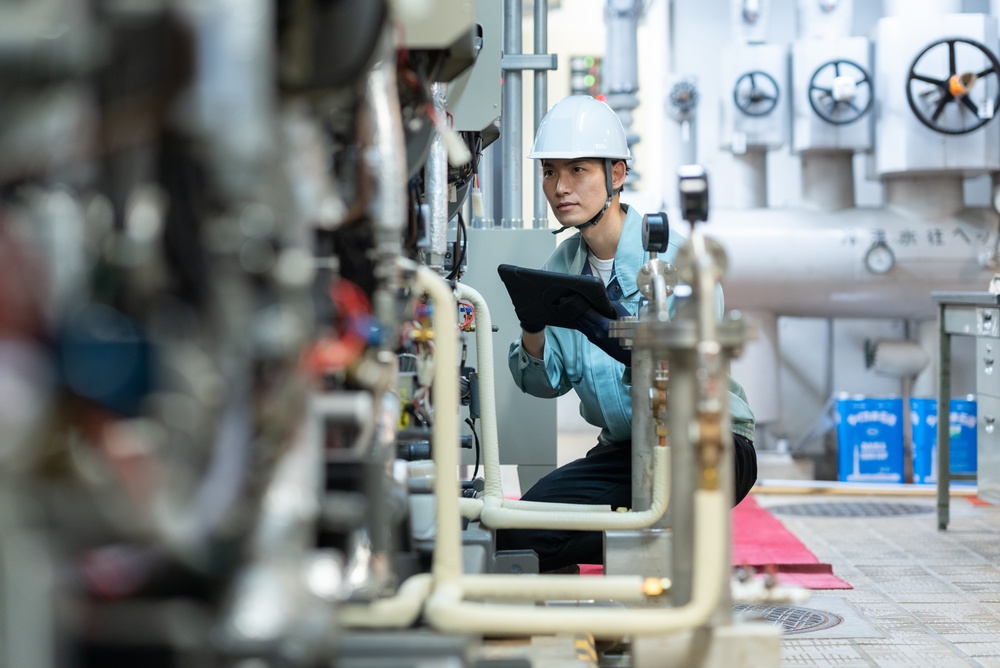
Many of the most common safety hazards are the result of simple operational errors or shortcuts. Training operators to avoid these mistakes is a critical step in maintaining a safe boiler room.
Frequently Asked Questions About Boiler Safety Best Practices
Visually verifying the water level in the gauge glass. A low-water condition is the most common cause of catastrophic boiler failure, and the gauge glass is the ultimate source of truth for the water level.
This depends on the device and jurisdictional requirements. Low-water cutoffs should typically be tested weekly. Safety relief valves should be tested manually per manufacturer and jurisdictional guidelines, often semi-annually or annually.
Any confirmed low-water condition, a fire outside the boiler, a fuel leak, a major water or steam leak from the pressure vessel, or any runaway condition where pressure or temperature is climbing uncontrollably.
Proper combustion is essential for safety. Improper combustion can lead to the production of deadly carbon monoxide, soot buildup that creates a fire hazard, and unstable flame conditions that can cause a furnace explosion.
Need a Contractor Who Puts Safety First? Cole Industrial Has You Covered
When you need service, repair, or installation work in your boiler room, you need a partner you can trust to work safely and professionally. For facilities across the Northwest, Cole Industrial is that partner. Our reputation is built on six decades of technical expertise and an uncompromising commitment to safety.