
Boiler Emergency Procedures: How to Respond Quickly, Safely, and Correctly
Understanding What Constitutes a True Boiler Emergency
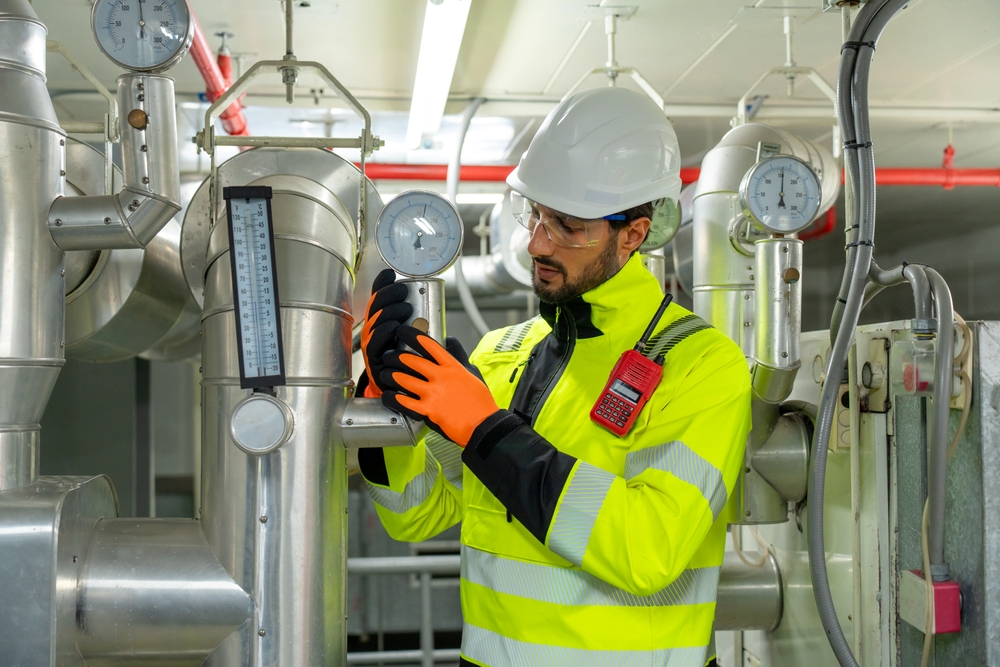
In a high-energy environment like a boiler room, the ability to recognize a true emergency is the critical first step in preventing a major failure. A flicker on a gauge might be a minor issue, but it can also be the first sign of a developing crisis. Fast, accurate recognition is what separates a controlled, safe shutdown from a catastrophic event that damages equipment and endangers personnel. A true boiler emergency is any condition that presents an immediate threat to the pressure vessel or to the safety of the facility. These are not minor annoyances; they are red-line events that demand an immediate and correct response.
Low-Water Conditions or Rapid Water Level Drop
This is the single most dangerous condition a boiler can experience. If the water level drops below the lowest safe point, the parts of the boiler normally cooled by water are exposed directly to the intense heat of the burner. This causes the metal to rapidly overheat, lose its structural integrity, and potentially rupture. Any time the water level is not visible in the gauge glass, or if it is dropping rapidly, it is a severe emergency.
Sudden Pressure Spike or Uncontrolled Temperature Increase
A boiler’s pressure and temperature are designed to operate within a narrow, controlled range. If the pressure begins to climb uncontrollably toward the safety valve’s setpoint, or if the temperature rises rapidly without a corresponding change in load, it indicates a serious control system failure. This “runaway” condition places immense stress on the pressure vessel and must be stopped immediately.
Fuel Supply Problems, Odor, or Suspected Leakage
Any smell of unburned fuel (natural gas or oil) in the boiler room is an immediate emergency. It indicates a leak in the fuel train that could lead to an accumulation of explosive vapors. Likewise, a visible fuel leak, a faulty regulator, or a valve that will not close properly creates a significant fire or explosion hazard that requires an instant shutdown.
Ignition Failure, Flame Loss, or Unstable Combustion
A boiler that fails to light after multiple attempts, a flame that repeatedly goes out during operation, or a burner that is making violent rumbling or banging noises is in an unsafe state. These conditions can lead to an accumulation of unburned fuel in the furnace, which can ignite explosively in what is known as a furnace explosion or puff-back.
Alarms or Safety Devices Tripping Repeatedly
Safety devices are not nuisances; they are warnings. An alarm or a control that trips the boiler offline once may be a fluke, but one that trips repeatedly indicates a persistent and potentially dangerous problem. Continually resetting a safety device without diagnosing the root cause is a direct path to failure.
Emergency Shutdown Sequence — The Steps Operators Must Know Cold
When a true emergency condition is identified, every operator must be able to execute the emergency shutdown procedure without hesitation. These steps should be committed to memory and practiced. There is no time to look for a manual during a real event.
Secure the Burner and Fuel Supply First
The absolute first step in any boiler emergency is to stop the flow of energy into the system. The operator must immediately hit the main burner emergency stop button. This will shut off the burner and close the main fuel valves, halting the combustion process. This single action stops the generation of more heat and pressure, preventing the situation from getting worse.
Lockout/Tagout Activation if Required
If the shutdown is for an extended period or if maintenance is required, the next step is to perform a full lockout/tagout (LOTO) procedure. This involves shutting off and locking all sources of energy, including the main electrical disconnect and all manual fuel valves. This ensures the boiler cannot be accidentally restarted while the emergency condition is being investigated.
Allow System Pressure to Equalize Safely
After the burner is secured, the boiler should be allowed to cool down naturally. An operator should never attempt to rapidly cool a hot boiler by introducing large amounts of cold feedwater. This can cause severe thermal shock, leading to cracked castings or tube sheets. The steam pressure should be allowed to drop slowly as the system cools.
Verify Water Level Before Any Attempted Restart
Under no circumstances should an operator add water to a boiler if the water level is unknown or if the boiler is suspected to have been in a low-water condition while hot. Adding cold water to an overheated, dry pressure vessel can cause a catastrophic steam explosion. The boiler must be allowed to cool completely before any water is added and a thorough inspection is performed.
Document Readings and Conditions Before Leaving the Room
Once the immediate danger has been contained, the operator must document everything. Write down all gauge readings (pressure, temperature, water level), note any alarms that were active, and describe the conditions that led to the shutdown. This information is invaluable for the technicians who will be troubleshooting the problem.
Combustion, Fuel, and Pressure Abnormalities — Early Warning Signs That Require Immediate Action
Many boiler emergencies do not appear out of nowhere. They are preceded by smaller, more subtle warning signs related to combustion, fuel delivery, or pressure control. Recognizing and acting on these signs is key to preventing a full-blown emergency.
Flame Instability, Delayed Ignition, or Loud Startup
A healthy burner ignites smoothly and quickly. A burner that experiences a “delayed ignition”—where fuel enters the furnace for several seconds before it lights with a loud “whoomph”—is dangerous. This indicates a problem with the igniter or fuel-air mixture. Similarly, a flame that is visibly pulsating, lifting off the burner head, or making rumbling noises is unstable and requires immediate attention.
Fuel Odors, Valve Failures, or Unusual Regulator Behavior
The fuel train should operate silently and without any odor. Any smell of gas or oil is a red flag for a leak. An operator should also listen for gas regulators that are making humming or chattering noises, or safety shutoff valves that do not close quickly and audibly when the burner shuts down. These are signs of impending component failure.
Pressure Fluctuations or “Hunting” During Operation
The boiler’s operating pressure should remain relatively stable. If the pressure gauge is seen to be swinging wildly or “hunting” up and down, it points to a problem with the control system or a rapidly changing load that the boiler cannot handle. This constant fluctuation puts unnecessary stress on the entire system.
Soot, Smoke, or Visible Burner Distortion
Visible evidence of poor combustion is a serious warning sign. Black smoke coming from the stack, soot accumulating around the burner, or a burner diffuser that is glowing red or appears warped are all indicators that the combustion process is out of control.
Why Ignoring These Indicators Leads to Major Failures
These early warnings are the boiler’s way of telling you something is wrong. Ignoring a noisy regulator may seem harmless until it fails to close and floods the furnace with fuel. Ignoring a pulsating flame seems fine until the vibrations crack the burner refractory. Acting on these small signs is proactive maintenance; ignoring them is reactive crisis management.
What Operators Should — and Should NOT — Do During a Boiler Emergency
An operator’s actions during the first few moments of an emergency can determine the outcome. Knowing what to do is just as important as knowing what not to do.
How Cole Industrial Responds to Boiler Emergencies
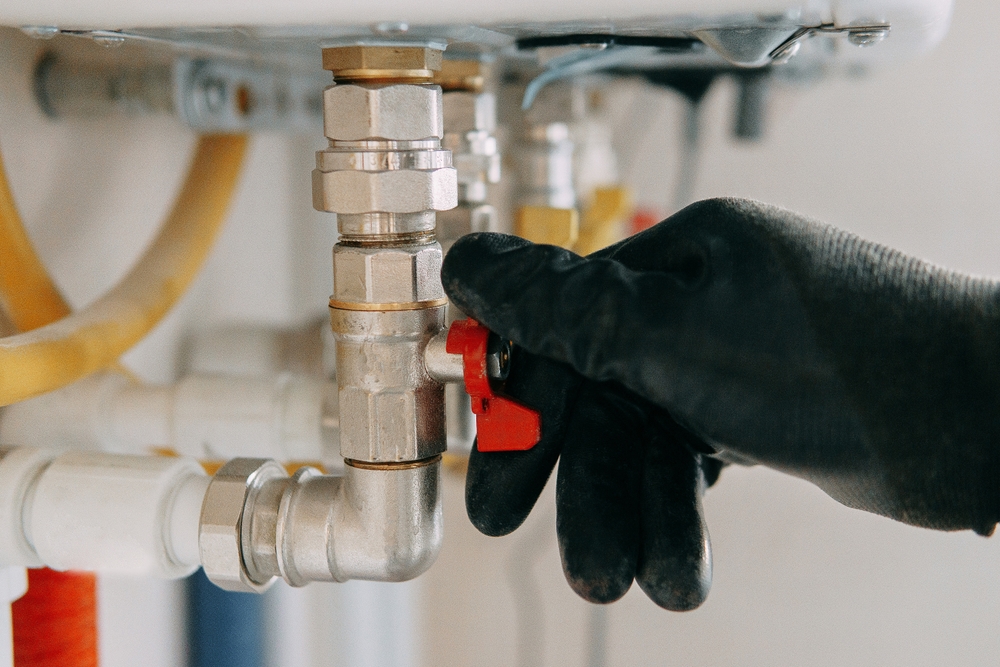
When a boiler goes down, operations stop. At Cole Industrial, we understand the urgency. Our entire service operation is built to respond quickly and effectively to get your facility back online safely. We are not a safety training provider; we are the experienced, certified contractor you call when things go wrong.
Experienced Technicians Available for Urgent Service Calls
Our team consists of highly experienced, factory-trained technicians who have seen and solved virtually every type of boiler emergency. When you call us, you are getting an expert who can diagnose the problem efficiently and accurately.
Troubleshooting Fuel, Combustion, and Safety Device Failures
We specialize in the complex systems that keep boilers running safely. Our technicians have the tools and expertise to troubleshoot sophisticated burner management systems, diagnose fuel train problems, and verify the correct operation of all critical safety devices.
Code-Compliant Repairs With ASME-Certified Processes
If a repair is needed, we do it right. As a holder of the National Board “R” Stamp, we are certified to perform code-compliant repairs on pressure vessels. You can be confident that any work we do restores the full safety and integrity of your equipment.
Documentation, Safety Verification, and Return-to-Service Testing
Our job is not done until the boiler is running safely. After any emergency repair, we conduct a full range of tests to verify all safety controls are functional. We provide you with complete documentation of the work performed and the final test results, ensuring you have a clear record for your compliance files.
Preparing Your Facility to Handle Emergencies Before They Happen
The best way to handle an emergency is to be prepared for it. A proactive approach to safety and maintenance dramatically reduces the likelihood of an emergency and ensures a better outcome if one does occur.
Clear Emergency Signage and Accessible Shutoff Points
Every boiler room should have clear, durable signs indicating the location of the main emergency shutdown button, fuel shutoffs, and fire extinguishers. These critical points must remain unobstructed at all times.
Up-to-Date Operating Logs for Quick Diagnosis
A well-maintained logbook is a technician’s best friend during an emergency call. The historical data allows them to quickly spot trends and understand the conditions that led up to the failure, saving valuable diagnostic time.
Routine Verification of Safety Devices
Regularly testing safety devices like the low-water cutoff and manually exercising safety valves ensures they will work when you need them most. These tests must be performed and logged according to manufacturer and jurisdictional requirements.
Knowing When to Call for Professional Help Immediately
Train your operators to know their limits. They should have a clear understanding of which problems require an immediate call for professional service. There is no substitute for the experience and tools of a qualified boiler technician.
Frequently Asked Questions About Boiler Emergency Procedures
Any condition that poses an immediate threat to the pressure vessel or personnel. This includes any confirmed low-water condition, a runaway pressure/temperature situation, a fuel leak, or a fire in the boiler room. When in doubt, shut it down.
No. A boiler shut down under emergency conditions should never be reset or restarted by an operator. The root cause must be diagnosed and repaired by a qualified technician first.
Not necessarily, as some fluctuation is normal with changing loads. However, a sudden, sharp spike or a steady, uncontrolled climb toward the safety valve setpoint is extremely dangerous and requires an immediate shutdown.
We pride ourselves on our rapid response. With the largest service department in the Northwest, we have technicians on call and ready to respond to urgent boiler issues across our service area.
Need Emergency Support? Cole Industrial Handles Urgent Boiler Issues Across the Northwest
In a boiler emergency, you need a contractor who is experienced, certified, and ready to respond. For over 60 years, facilities across Washington, Oregon, Idaho, Montana, and Alaska have relied on Cole Industrial for fast, safe, and effective emergency boiler service.