
Common Boiler Repair Issues (With Solutions): How to Diagnose Problems and Get Back Online
Why Boilers Fail — And Why Quick Diagnosis Matters
In any industrial or commercial facility, a boiler isn’t just a piece of equipment; it’s the heart of the operation. When it fails, the consequences are immediate: production stops, buildings go cold, and downtime costs begin to mount. While boilers are built for durability, they operate under intense pressure and heat, making them susceptible to a range of common repair issues.
Understanding these issues is the first step toward preventing them. More importantly, when a failure does occur, a quick and accurate diagnosis is critical. Simply fixing the symptom—like replacing a leaking tube—without identifying the root cause is a temporary solution at best. A proper diagnosis from an experienced technician ensures the right repair is made, preventing a repeat failure and getting your operation back online safely and reliably.
Ignition Issues — Hard Starts, Flame Failures, and Lockouts
The ignition sequence is a complex and critical process. When it fails, the boiler will not run. These issues are some of the most common reasons for a service call.
Common Causes: Fuel Supply, Spark/Flame Detection, Control Faults
Ignition problems typically stem from one of three areas. First is the fuel supply—incorrect gas pressure, a clogged oil nozzle, or a stuck fuel valve can prevent fuel from reaching the burner. Second is the ignition source itself, such as a misaligned ignition electrode or a dirty flame scanner that can’t “see” the flame. Third, the burner control system may have a fault or a failed component that prevents the ignition sequence from completing.
Warning Signs to Watch For
A boiler that lights with a loud “bang” or “woof” is experiencing a hard start, which is a dangerous sign of delayed ignition. Frequent flame failures, where the burner lights but then shuts down, indicate an unstable flame or a detection issue. The most obvious sign is a burner that goes into a lockout and requires a manual reset. Repeated lockouts should never be ignored.
How Technicians Fix Ignition Problems Quickly
An experienced technician will systematically troubleshoot the issue. They will check fuel pressures, test the ignition transformer, clean the flame scanner, and inspect the pilot assembly. By methodically checking each component in the ignition sequence, they can quickly isolate the point of failure and perform the correct repair.
When the Issue Requires Burner Recalibration
Often, ignition problems are a symptom of a poorly tuned burner. An incorrect fuel-to-air ratio at light-off can make the flame difficult to establish and stabilize. After addressing the immediate component failure, a technician may need to perform a full combustion analysis and recalibrate the burner to ensure smooth, reliable light-offs.
Premature Tube Failure — Overheating, Corrosion, and Stress Cracking
The boiler tubes are where heat is transferred to water. A tube failure is a serious event that will shut down the boiler immediately.
Causes: Poor Water Chemistry, Scale, Flame Impingement
The most common cause of tube failure is internal scale buildup from poor water treatment. This scale acts as an insulator, causing the tube metal to overheat and fail. Oxygen pitting from untreated feedwater can corrode the tubes from the inside out. On the fireside, flame impingement from a poorly tuned burner can literally burn through a tube wall.
Signs of Tube Damage Before Failure Occurs
Before a tube fails catastrophically, you may notice signs like a gradual increase in stack temperature, which indicates poor heat transfer due to scaling. During an internal inspection, technicians look for blisters or bulges on the tubes, which are clear signs of overheating.
Tube Repair or Replacement Options
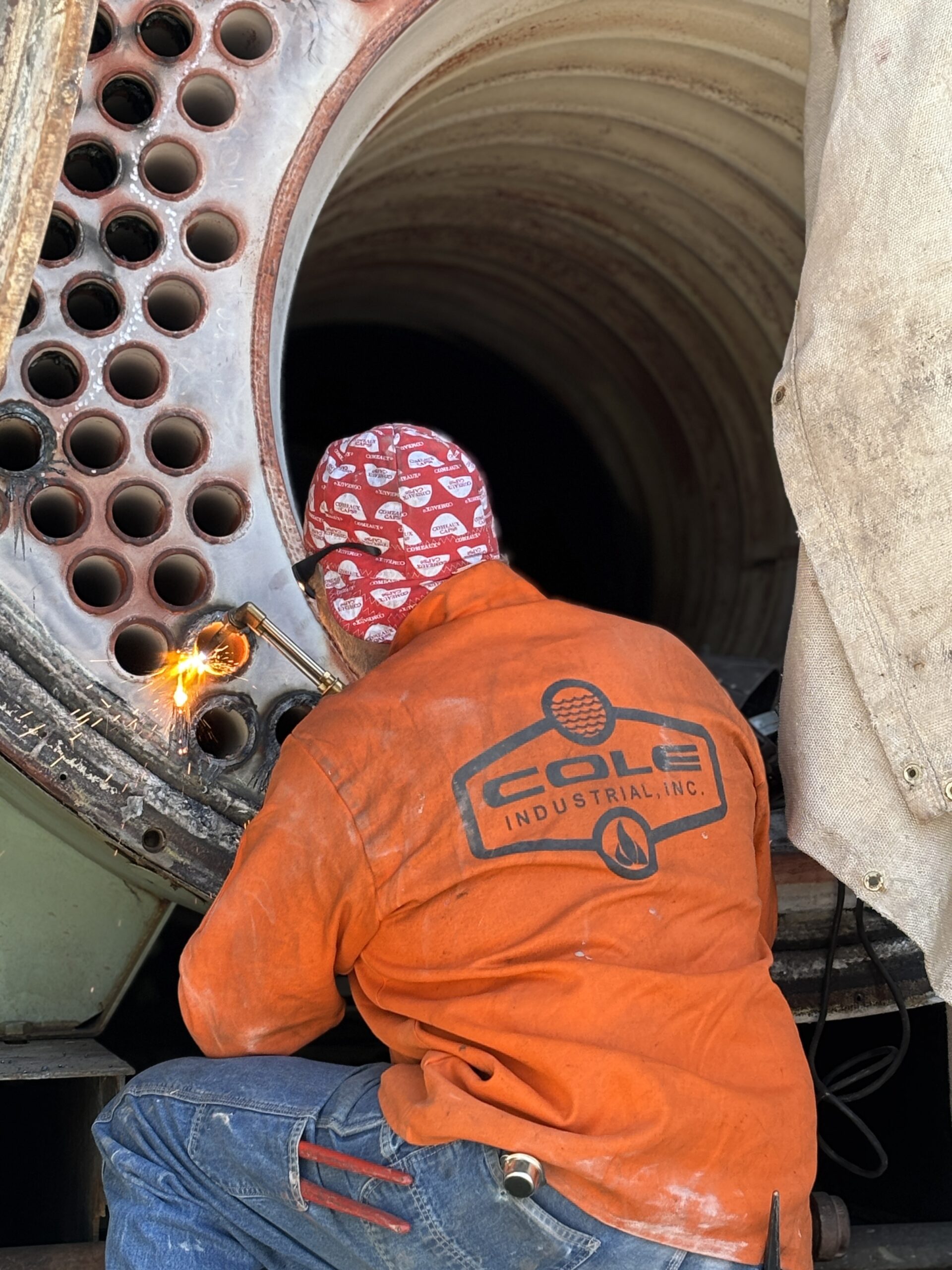
If a tube develops a pinhole leak, it can sometimes be plugged as a temporary emergency measure. However, the correct and safe repair is to replace the damaged tube. This involves cutting out the old tube, preparing the tube sheets, and properly rolling in a new one. This work often requires certified welders.
How Preventative Maintenance Extends Tube Life
Consistent water treatment and regular fireside cleanings are the most effective ways to prevent tube failure. Proper water chemistry prevents scale and corrosion, while annual cleanings remove soot that can insulate tubes and hide damage. Regular burner tuning prevents flame impingement.
Scaling and Corrosion — The Most Common Internal Damage
What happens on the waterside of a boiler has a direct impact on its health and efficiency. Scale and corrosion are silent killers of boiler systems.
Leaking Gaskets — Small Failures That Create Major Downtime
The gaskets that seal the fireside and waterside openings on a boiler may seem like small parts, but their failure can bring an entire operation to a halt.
Causes: Heat Cycling, Wear, Improper Installation
Gaskets live in a tough environment of high pressure and temperature. The constant expansion and contraction of the boiler during heat cycles eventually causes them to lose their seal. Over-tightening during installation can crush a gasket, while under-tightening can allow it to leak.
Identifying Which Gaskets Fail Most Often
Handhole and manway gaskets on the waterside are common failure points. On the fireside, the large tadpole gaskets that seal the front and rear doors are subjected to intense heat and are often the first to fail, causing hot gas to leak.
Repair Process and Recommended Replacement Intervals
Replacing a gasket requires shutting down the boiler, draining it, and removing the associated cover. The old gasket material must be meticulously scraped off the sealing surfaces before a new one is installed and torqued to the correct specification. It is best practice to replace all fireside and waterside gaskets during the annual inspection.
When a Leak Signals Deeper System Problems
While most gasket leaks are due to normal wear, a recurring leak at the same spot can indicate a bigger issue, such as a warped sealing surface on a door or cover plate. This requires machining or replacement of the component itself, not just the gasket.
Low Water Conditions — One of the Most Dangerous Boiler Failures
A low water condition is one of the most serious and dangerous events that can occur in a boiler room. It can lead to a catastrophic failure known as a dry-fire.
LWCO Failures and How They Cause Dry-Fire Events
The Low Water Cut-Off (LWCO) is a safety device designed to shut down the burner if the water level in the boiler drops to an unsafe point. If the LWCO fails—often because its float mechanism is clogged with sediment—the burner will continue to fire even with no water in the boiler. This causes the steel of the pressure vessel to rapidly overheat, lose its structural integrity, and potentially rupture.
Symptoms Operators Should Never Ignore
Any alarm from the LWCO should be treated as a serious event. Operators should also watch for a sight glass that is either completely full or completely empty, as this indicates a problem. Rapid or erratic changes in the water level are another red flag.
Immediate Steps to Take if Low Water Occurs
If a low water condition is confirmed, the boiler must be shut down immediately. Crucially, do not add water to a hot, dry boiler. The resulting thermal shock can cause an instantaneous and violent explosion. The boiler must be allowed to cool completely before it is inspected and refilled.
How Regular PM Prevents LWCO Failures
The best prevention is regular testing. LWCOs should be tested weekly or monthly according to manufacturer recommendations. This involves performing a “blowdown” to flush out sediment and verify that the float mechanism moves freely and shuts down the burner.
Incorrect Fuel-to-Air Ratio — The Hidden Cause of Many Boiler Problems
Many common boiler issues, from soot buildup to refractory damage, can be traced back to a single root cause: an improper fuel-to-air ratio.
When a Boiler Problem Becomes an Emergency — Know the Warning Signs
Some boiler problems are inconveniences; others are emergencies that require immediate action. Knowing the difference is critical for safety.
Sudden Pressure Drops or Overpressure Conditions
A sudden, unexplained drop in steam pressure can indicate a major leak or tube failure. Conversely, if the pressure rises past the normal operating limit and approaches the safety valve setpoint, it indicates a serious control failure.
Fuel Train Malfunctions or Burner Refusal to Light
If you smell gas or oil in the boiler room, or if the burner repeatedly fails to light, shut down the system immediately. These conditions can lead to an accumulation of unburned fuel, creating an explosion hazard.
Visible Leaks, Smoke, or Unusual Vibrations
Any visible water or steam leak from the pressure vessel itself is an emergency. Black smoke from the stack indicates a severe combustion problem. Loud, unusual noises or heavy vibration from the boiler signal a major mechanical or combustion issue.
When to Call for 24/7 Emergency Service
Do not hesitate to call for emergency service if you encounter any of the above signs. It is always better to have a false alarm than to ignore a warning sign that leads to a catastrophic failure.
How Preventative Maintenance Eliminates 80% of Common Boiler Failures
The vast majority of expensive, unplanned boiler repairs can be avoided with a consistent preventative maintenance (PM) program.
Frequently Asked Questions About Boiler Repairs
Before it leaks, a failing tube often reveals itself through a rising stack temperature or visible blisters and bulges on the tube surface during an internal inspection.
Common causes include a dirty flame scanner, incorrect fuel pressure, a failing gas valve, or a poorly tuned burner with an unstable flame.
Replace gaskets during your annual shutdown as a preventative measure. Ensure sealing surfaces are perfectly clean before installation and that bolts are tightened to the correct torque specification.
Yes. Severe flame impingement from a misaligned or poorly tuned burner can erode and overheat boiler tubes and the furnace wall, leading to failure.
Need Help Diagnosing a Boiler Problem? Our Technicians Can Troubleshoot Any System
When your boiler is down, you need answers and solutions—fast. The team at Cole Industrial has been troubleshooting and repairing boiler systems across the Northwest for over 60 years. We have the experience to diagnose any problem, on any brand of boiler.